Kentucky Cannabis Company Archive
2017: The Year We Secured the Genetics
In 2017, Kentucky Cannabis Company strengthened its cultivation model from winter propagation through fall harvest. The season connected climate-controlled cloning, nursery establishment, greenhouse and field production, harvest execution, and flower-only post-harvest handling into one more scalable system.
2017 began with a simple challenge: protect our genetics through the Kentucky winter so spring could begin with uniform, healthy plant material. What followed was a year of infrastructure, observation, and disciplined execution across the sea crate nursery, Military Pike, and Mercer County. The result was not just a bigger season. It was a more complete operating model.
2017 at a glance
From winter preservation to flower-only standards.
This year connected climate-controlled cloning, uniform field and greenhouse establishment, synchronized harvest, and selective post-harvest handling.
Winter nursery
The sea crate preserved Type III genetics year-round.
Spring starts
Stronger liners and rooted clones improved establishment.
Midseason scale
Military Pike and Mercer County showed real system-wide uniformity.
Post-harvest discipline
Flower-only preparation raised the standard of finished input.
Genetic preservation
A climate-controlled sea crate kept selected Type III lines alive and consistent through winter.
Propagation capacity
High-volume indoor propagation turned preservation into scalable nursery output.
Greenhouse + field alignment
The same propagation logic supported Military Pike and Mercer County production.
Flower-first processing
Harvest and post-harvest handling focused on selectivity, not whole-plant equivalence.
Section 1
The Sea Crate Nursery and the Start of 2017
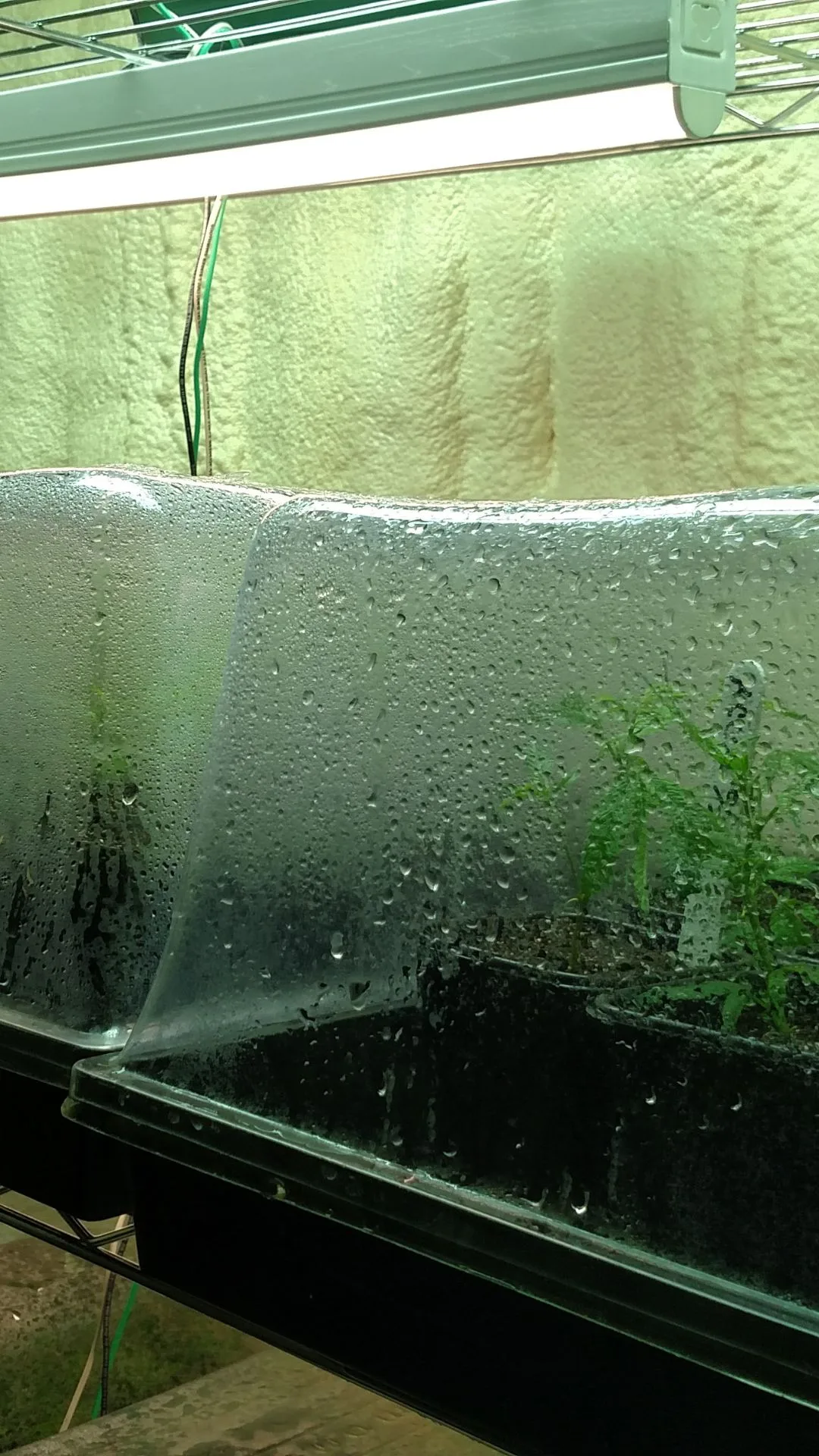
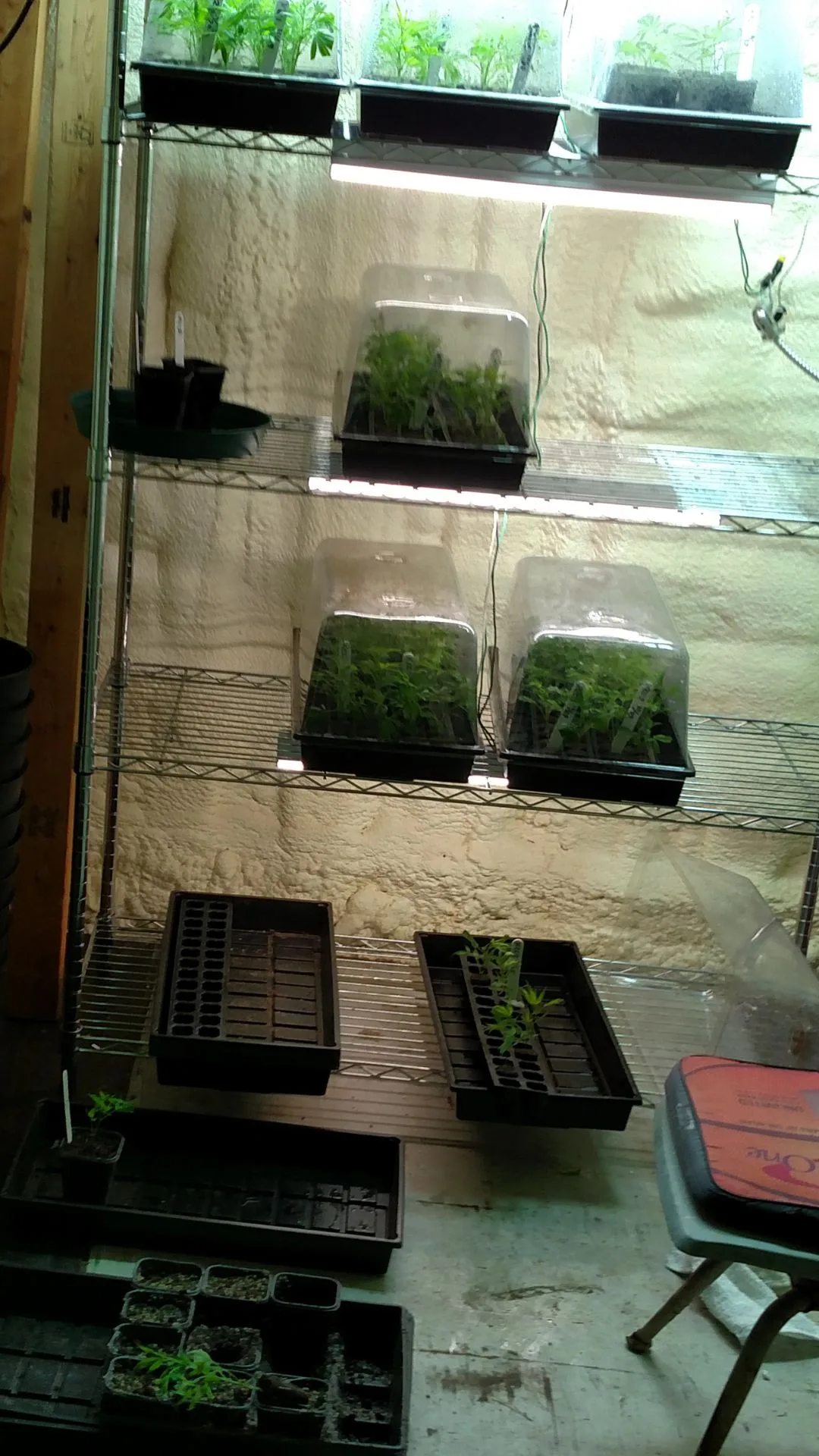
2017 began with a simple challenge: protect our genetics through the Kentucky winter so the spring season could begin with uniform, healthy plant material. To do that, we built a dedicated cloning environment inside a retrofitted insulated sea crate. That space gave us a more controlled nursery for maintaining mother stock, rooting fresh clones, and carrying our selected Type III lines forward into the next season.
Winter infrastructure
A dedicated nursery made consistency possible before spring even arrived.
The 2017 system became stronger because winter preservation was treated as a genetics problem, not just a seasonal inconvenience. The sea-crate nursery protected mother stock, improved clone survival, and gave the next season a cleaner starting point.
Related research
This deeper genetics piece connects the 2017 preservation work to the broader biological logic behind Type III hemp and chemotype stability.
2017 was the year preservation turned into propagation, and propagation turned into system-wide uniformity.
Section 2
From Rooted Clones to Nursery Liners
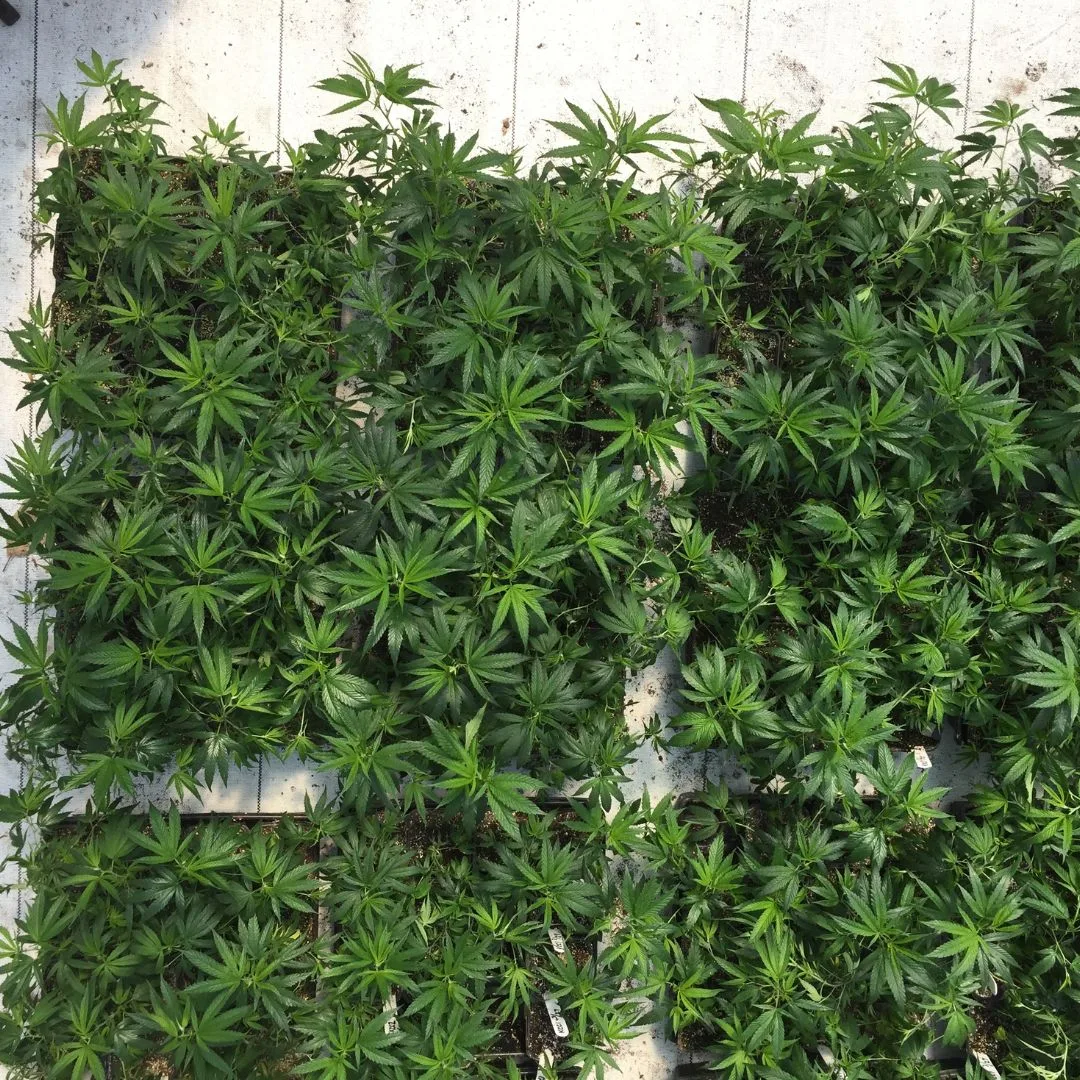
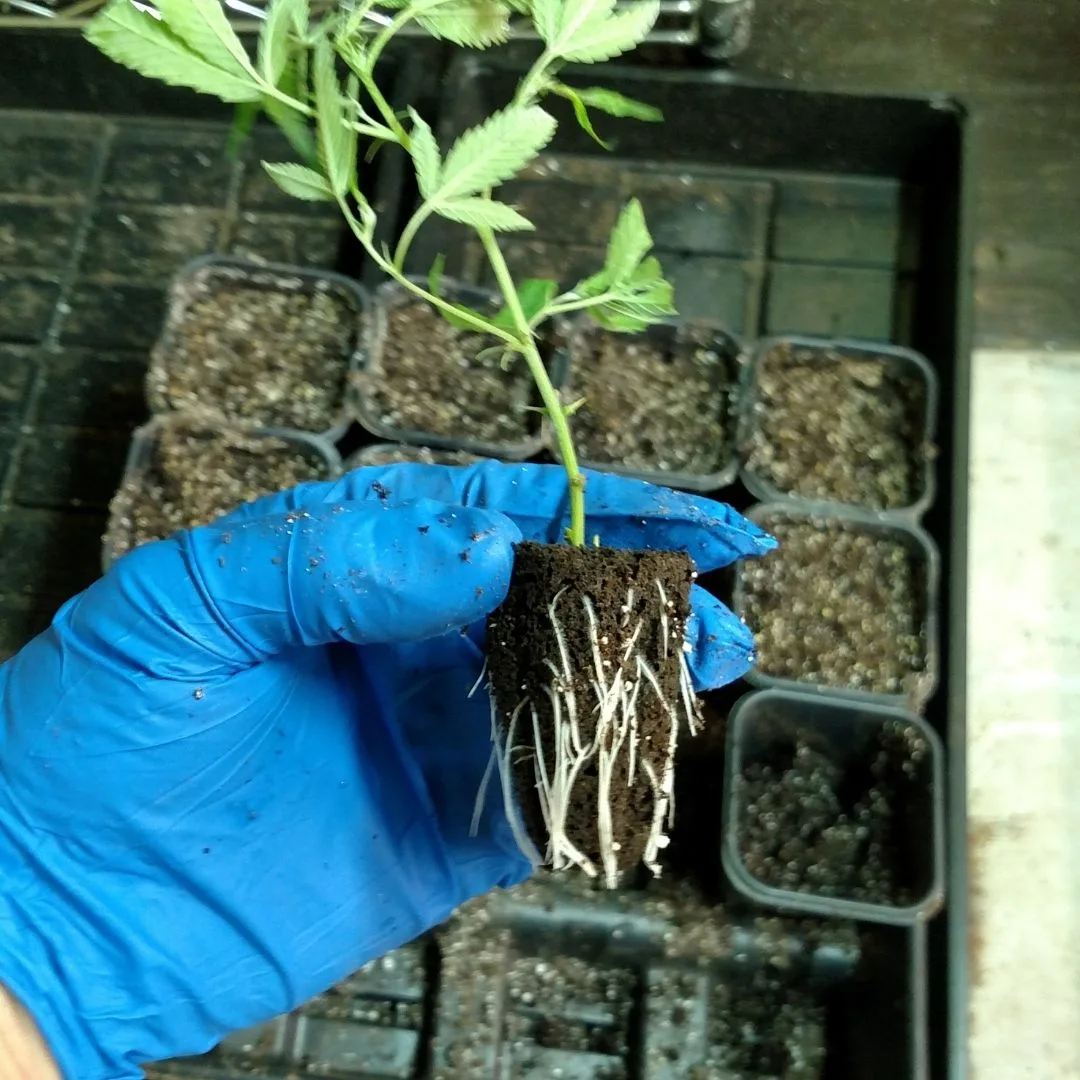
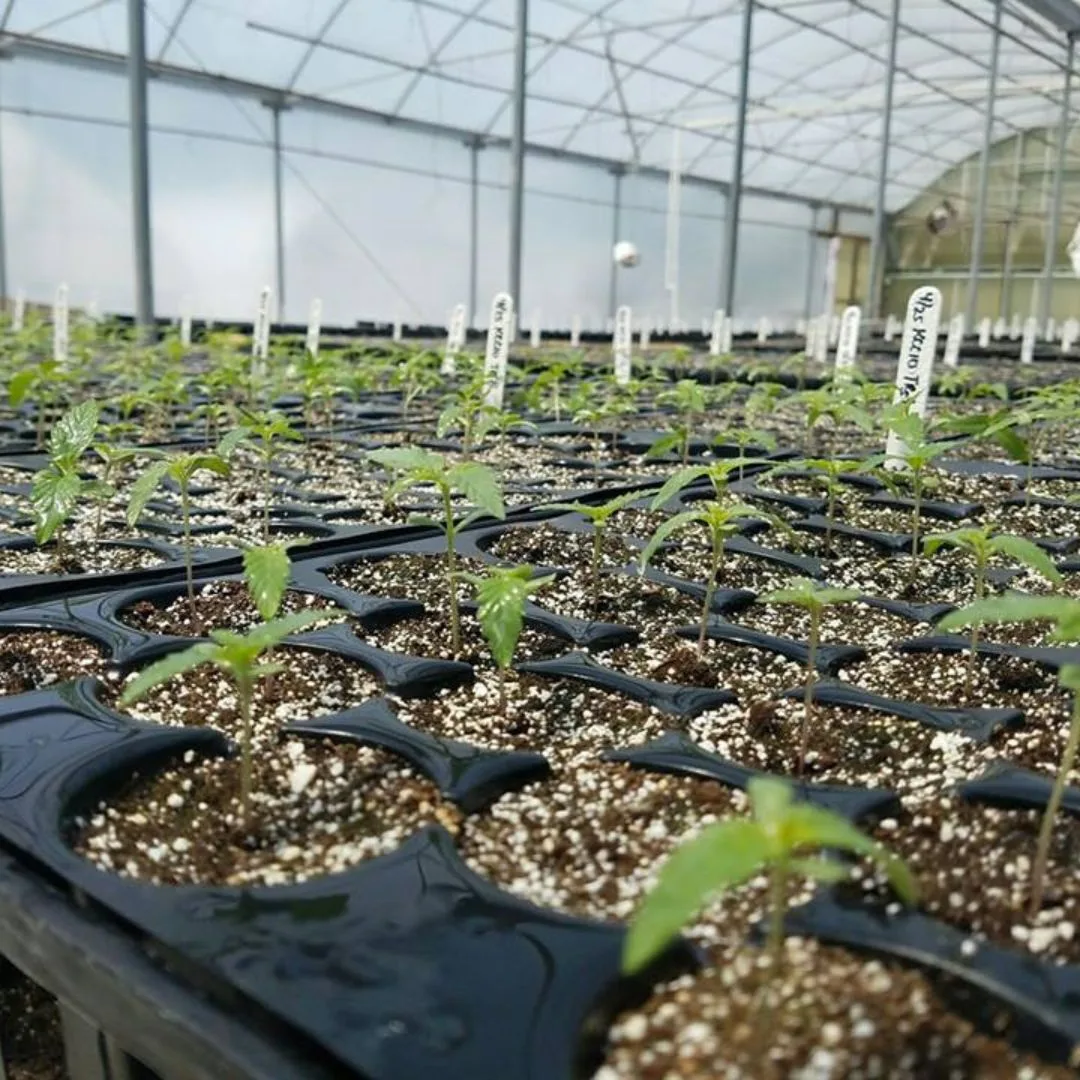
Once the winter cloning cycle succeeded, the next step was establishment. Healthy roots, vigorous liners, and careful transplant timing set the tone for the entire season. In 2017, we focused on preparing plants that were ready not just to survive transplant, but to perform consistently once they reached pots, greenhouse benches, and field rows.
Spring establishment
Root health and timing became the bridge between cloning and performance.
Stronger liners, rooted clones, and disciplined transplant timing were what allowed the 2017 system to carry consistency from propagation into greenhouse benches and field rows.
Transparency & proof
Today’s testing standards help show how disciplined cultivation still connects to measurable product transparency and verification.
Section 3
Military Pike, Mercer County, and a More Scalable 2017
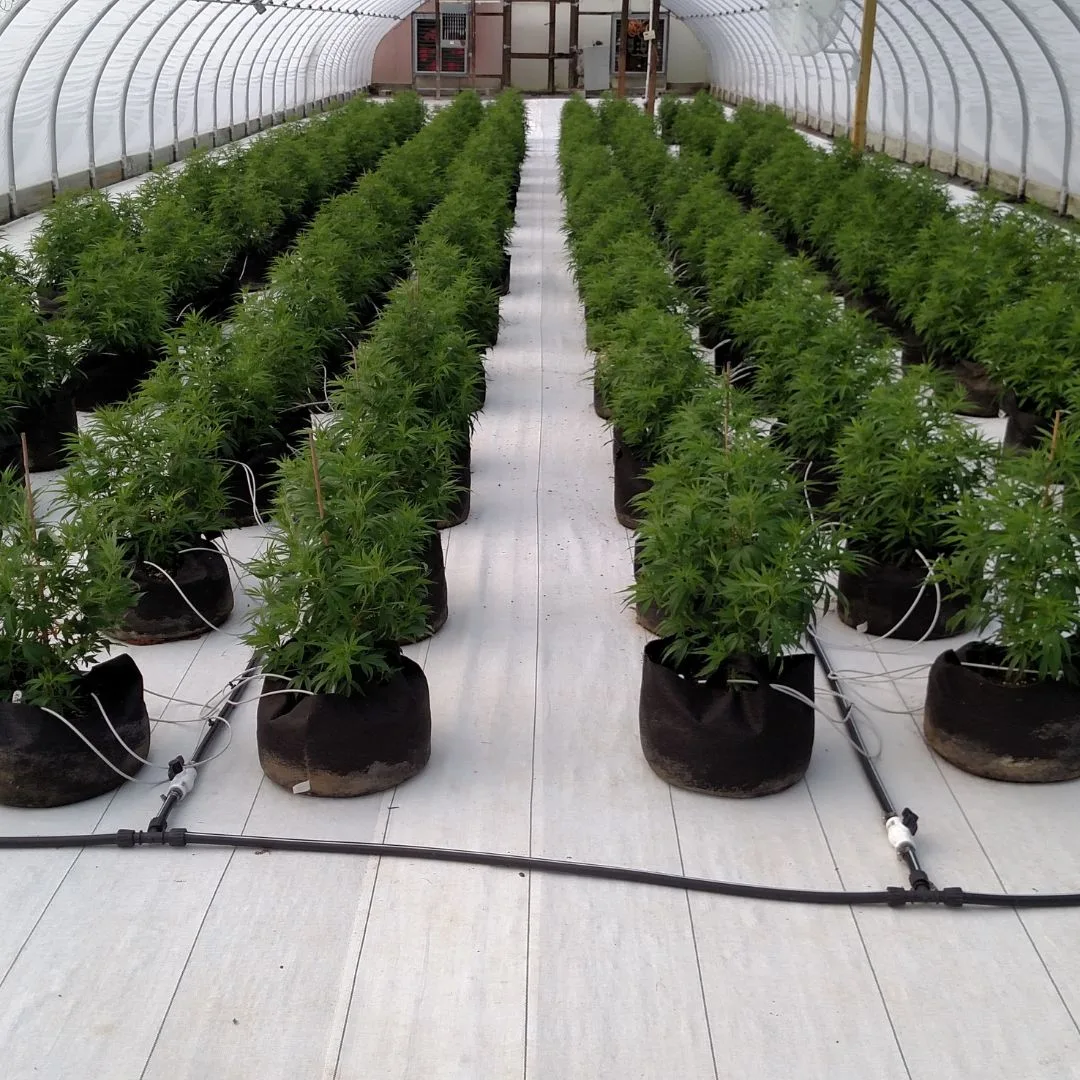
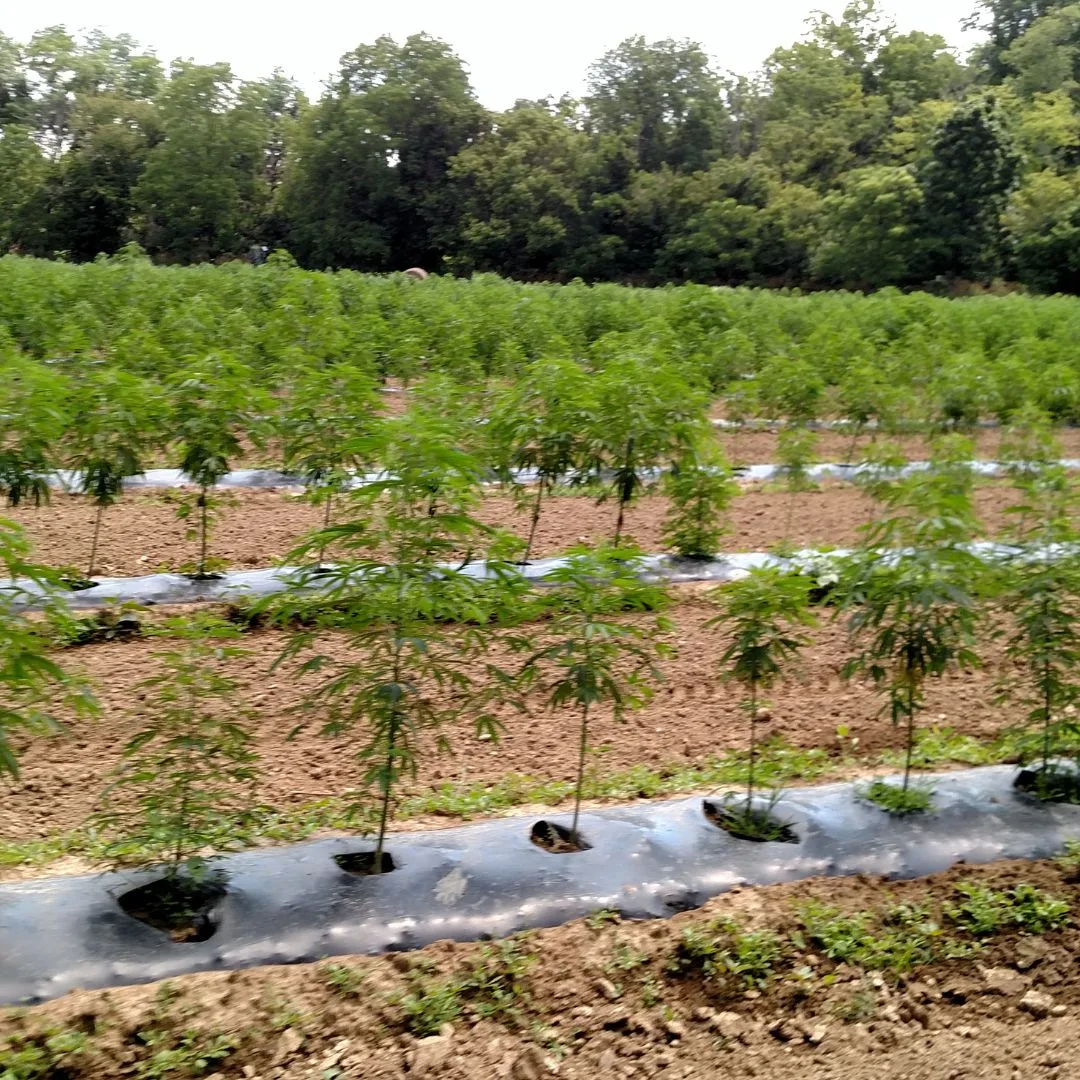
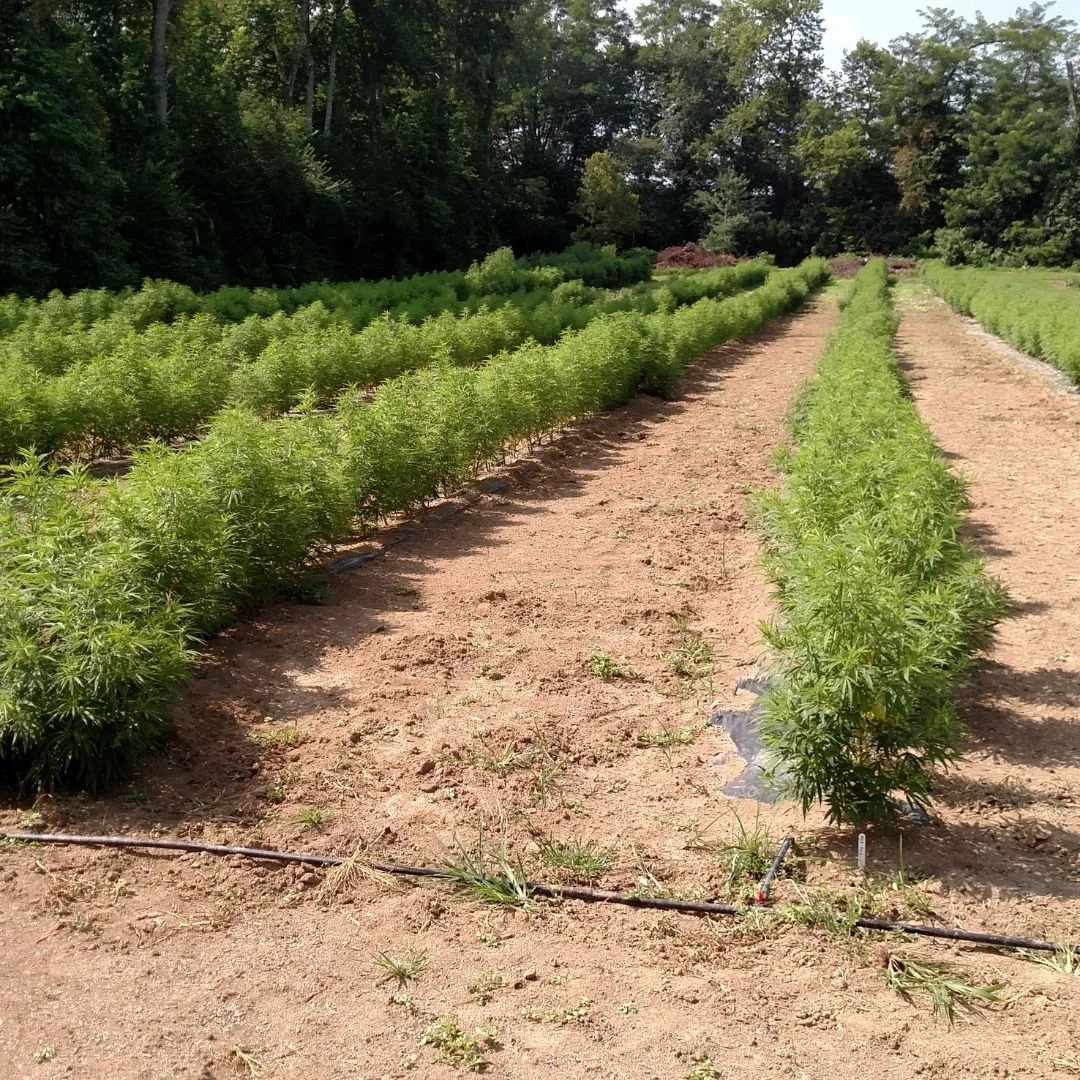
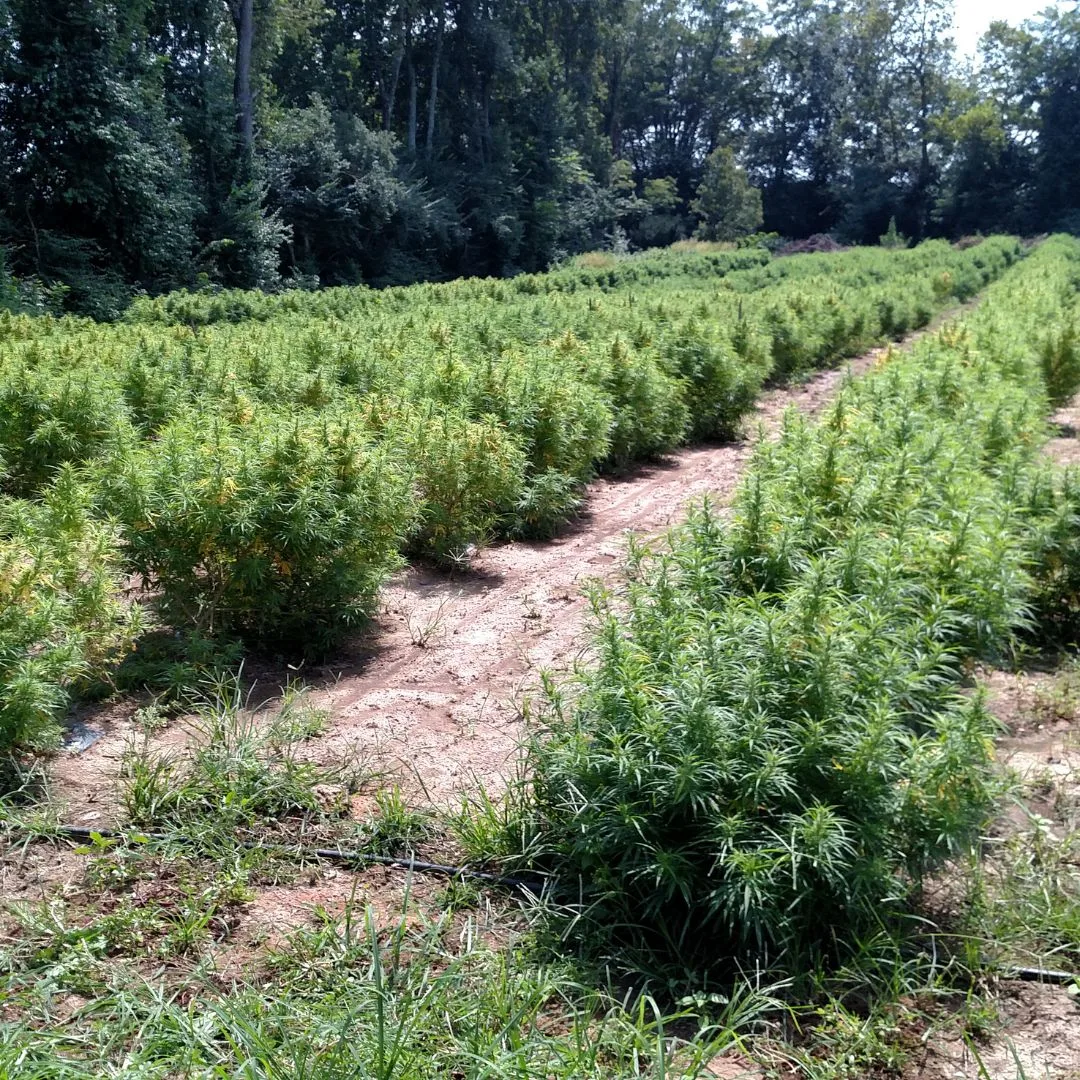
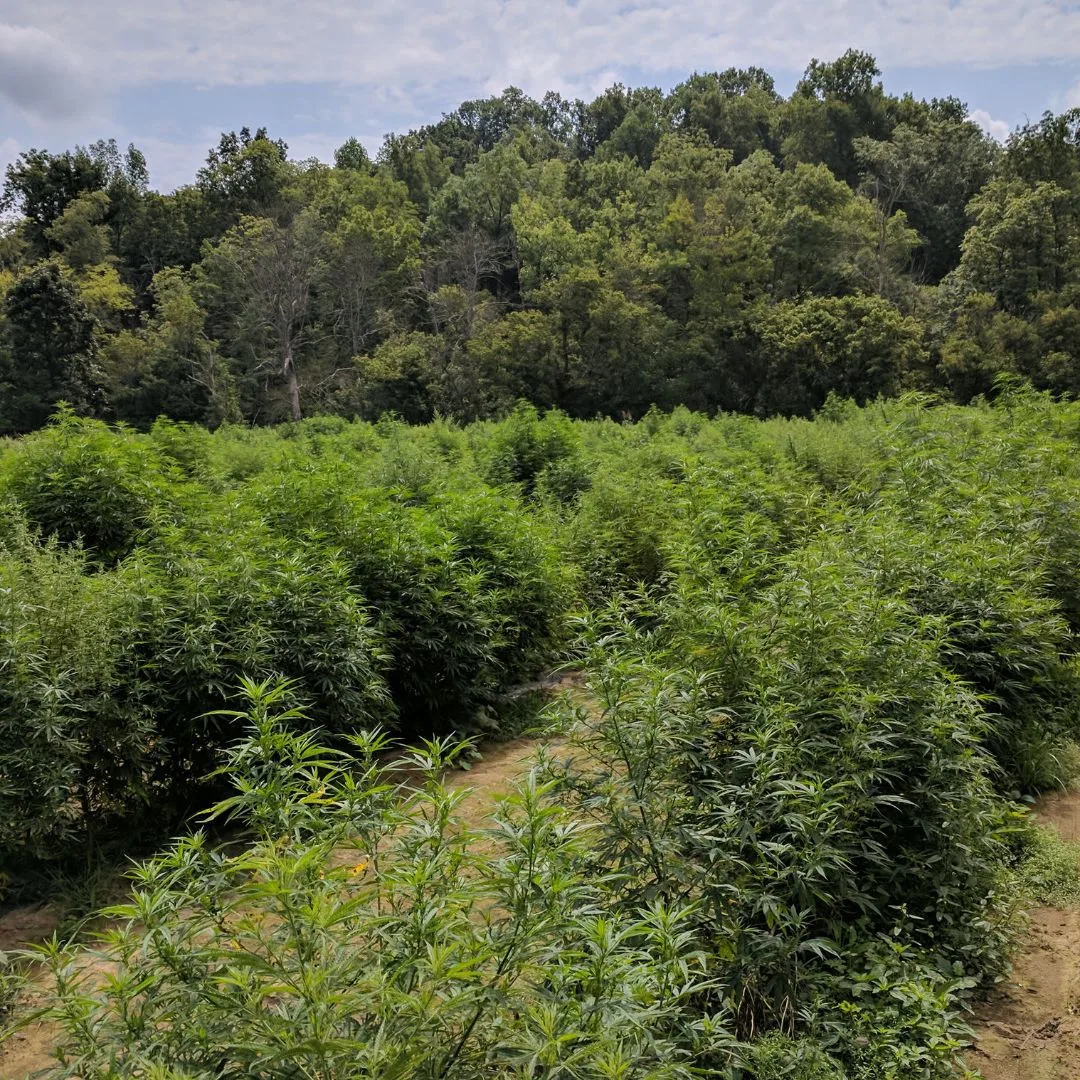
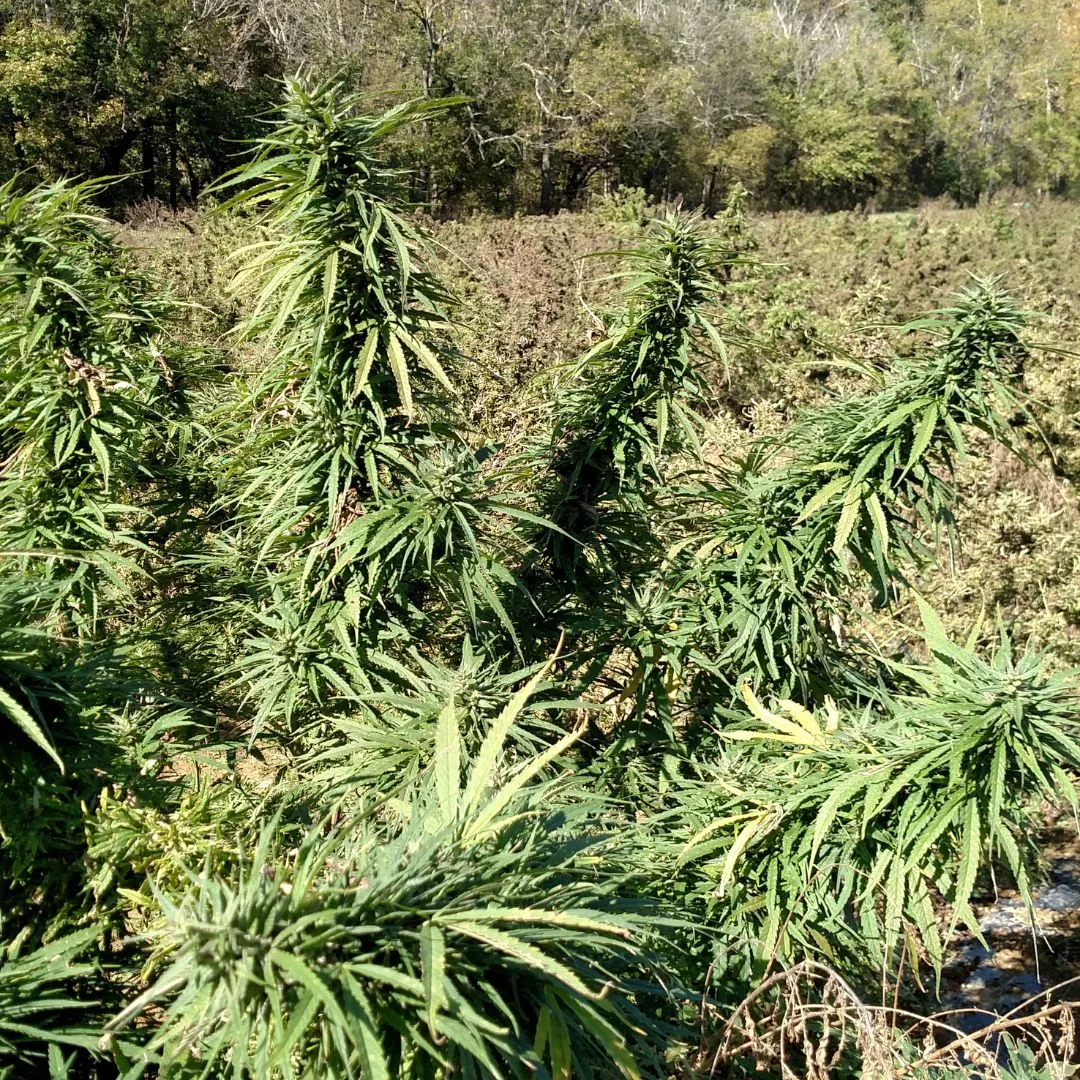
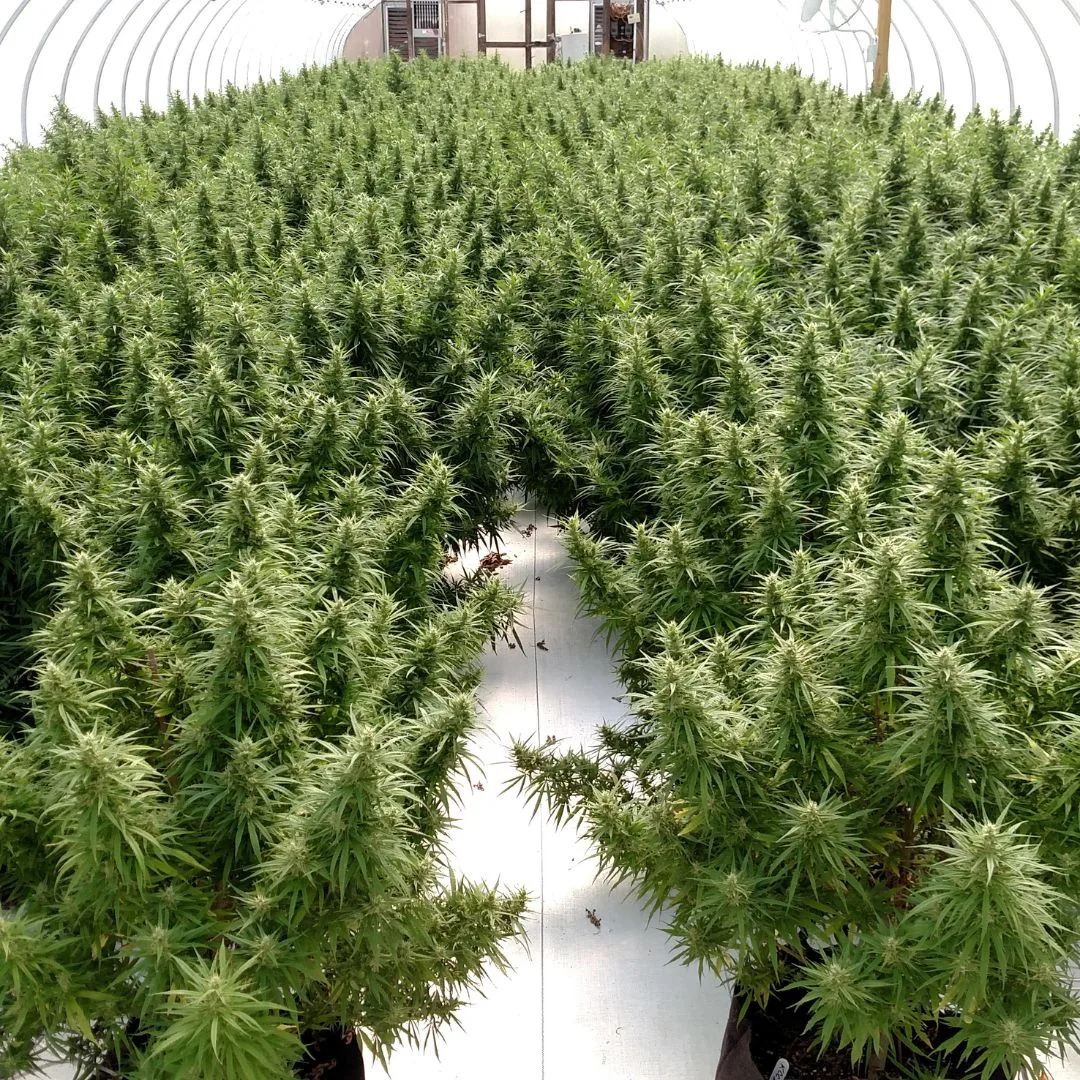
By midseason, the 2017 story expands across two key environments: greenhouse production at Military Pike in Lexington and outdoor field cultivation in Mercer County. What ties both together is uniformity. The same propagation strategy that began in winter was now visible in larger canopies, stronger rows, and more repeatable plant structure.
Midseason scale
The same nursery logic now showed up in canopy shape, row discipline, and bloom timing.
Uniform propagation material made the year’s expansion visible across multiple environments, from greenhouse benches to outdoor mulch rows.
Section 4
From Peak Bloom to Harvested Flower
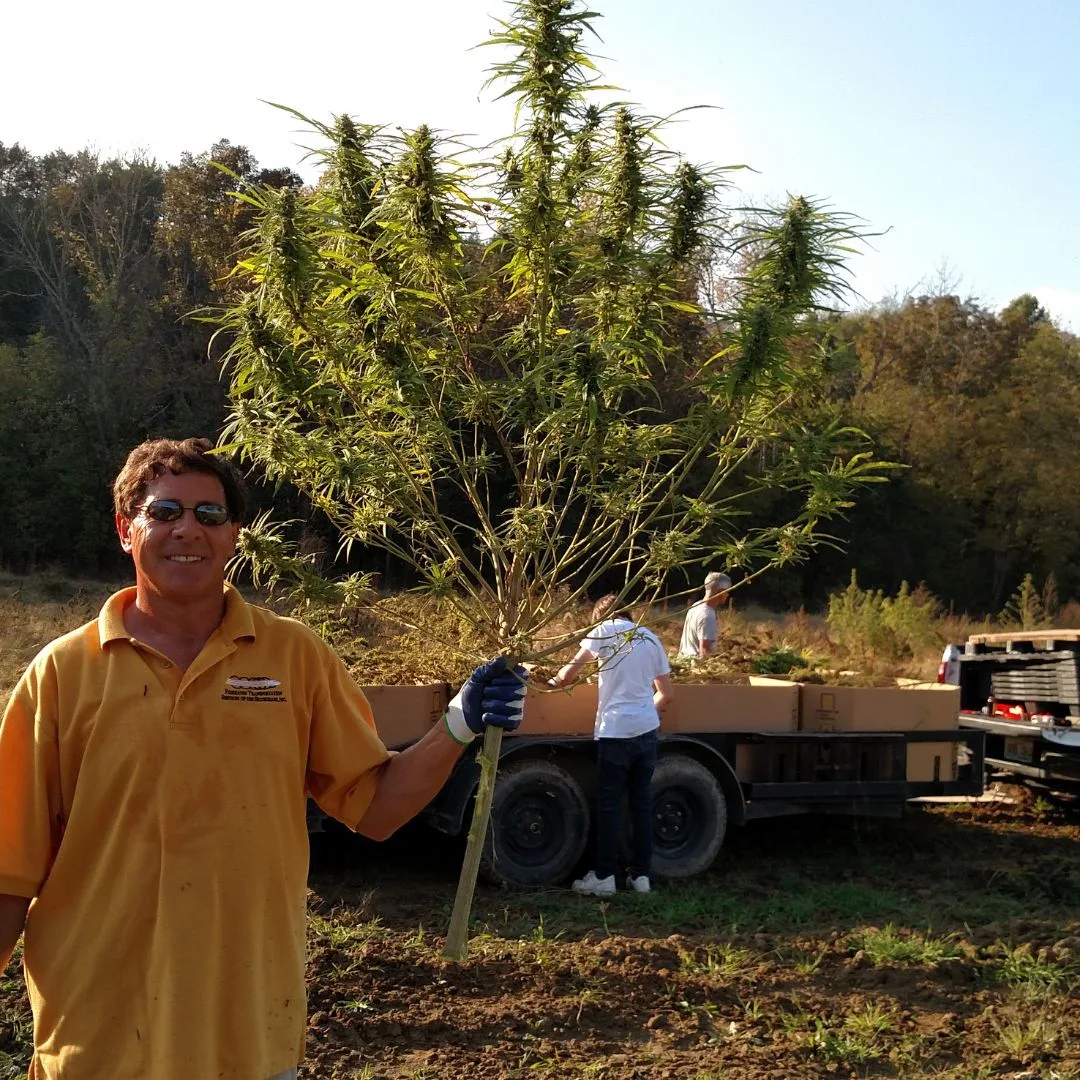
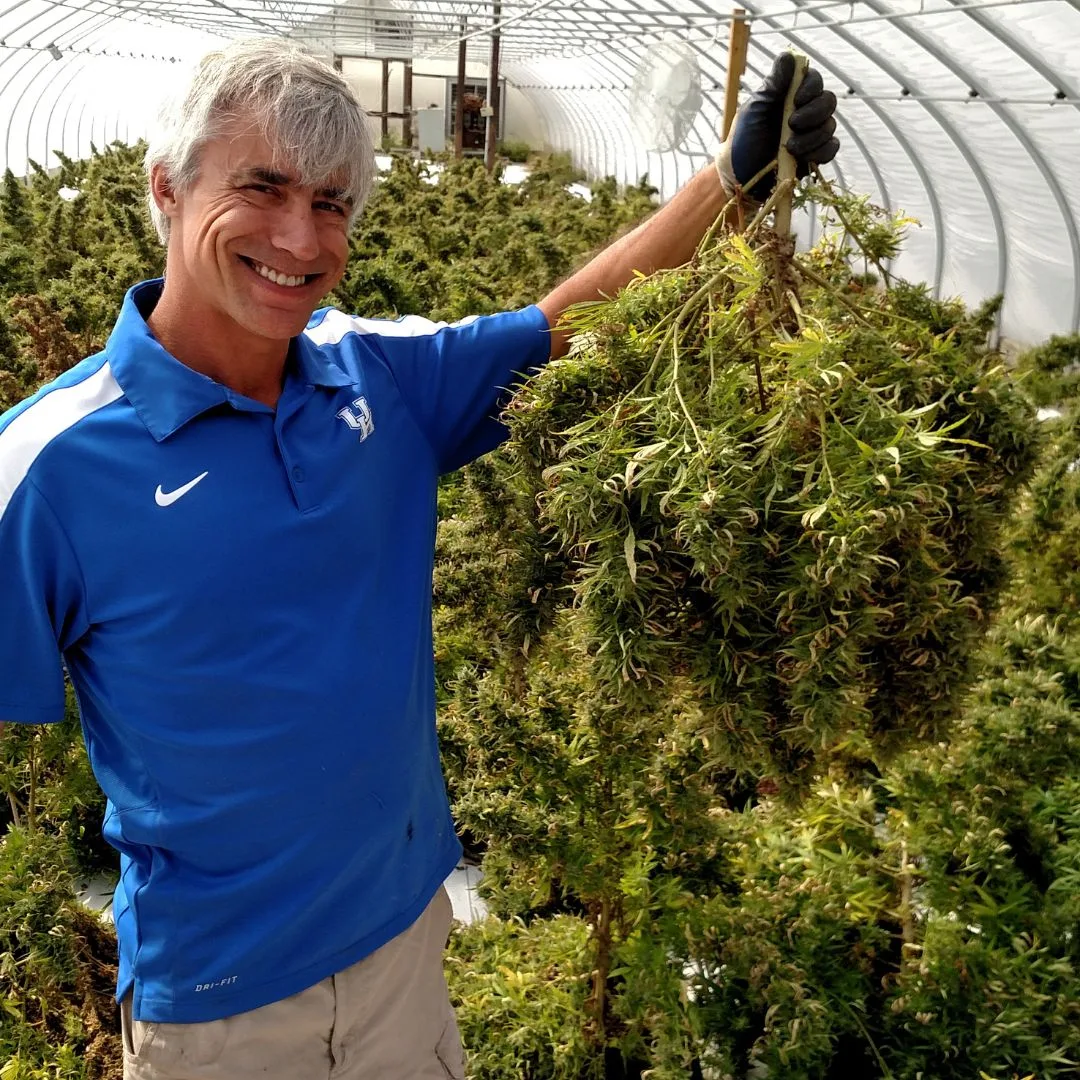
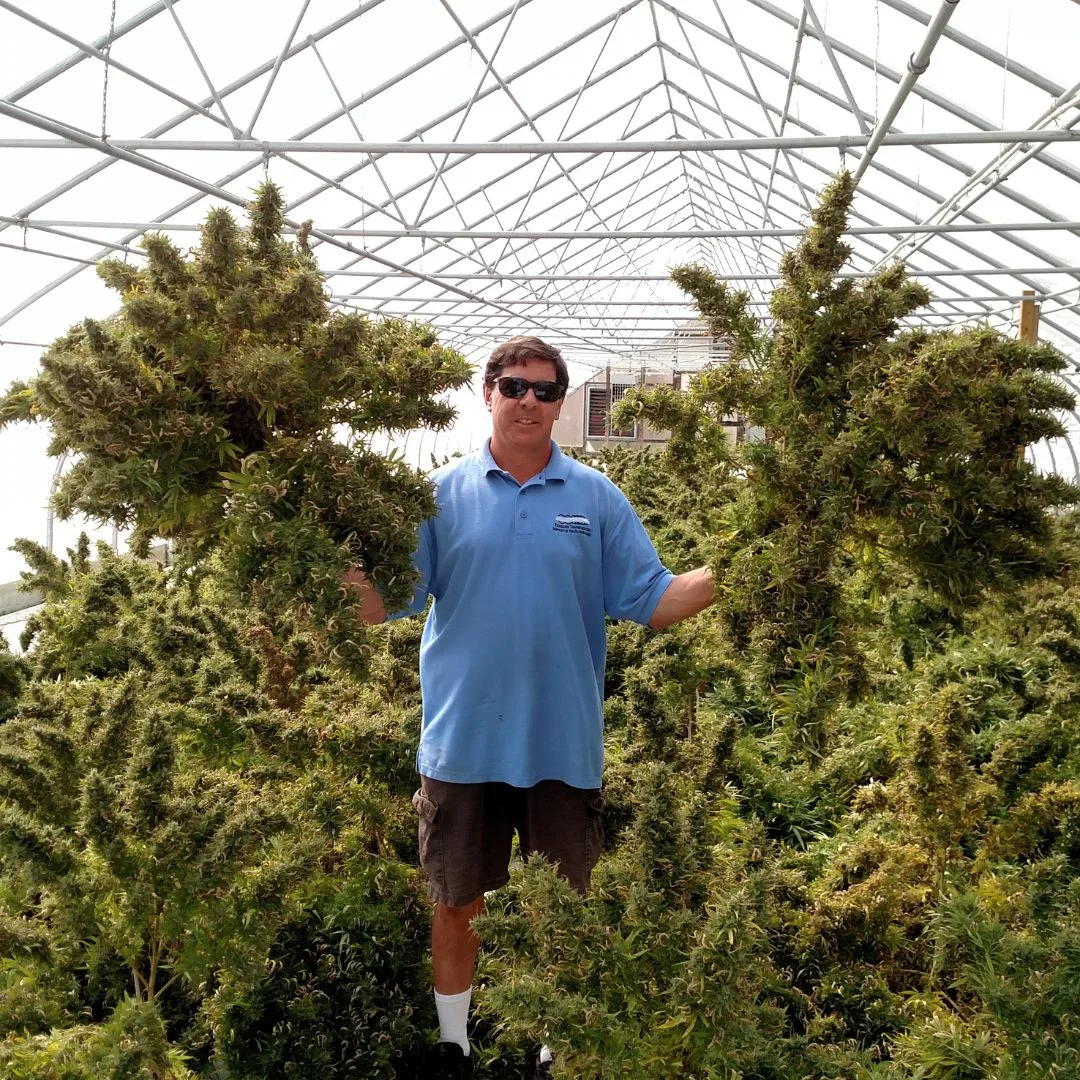
By fall, the 2017 season had moved from plant-building to harvest. The images from this period show not only floral maturity, but also the people behind the crop, team members and founders directly involved in bringing the year’s work through its most critical stage.
Harvest
The season’s discipline became visible in bloom structure, timing, and hands-on execution.
Harvest images humanize the system by showing both mature flower and the people responsible for carrying it through the field and greenhouse finish line.
Section 5
How the 2017 Crop Was Prepared for Extraction
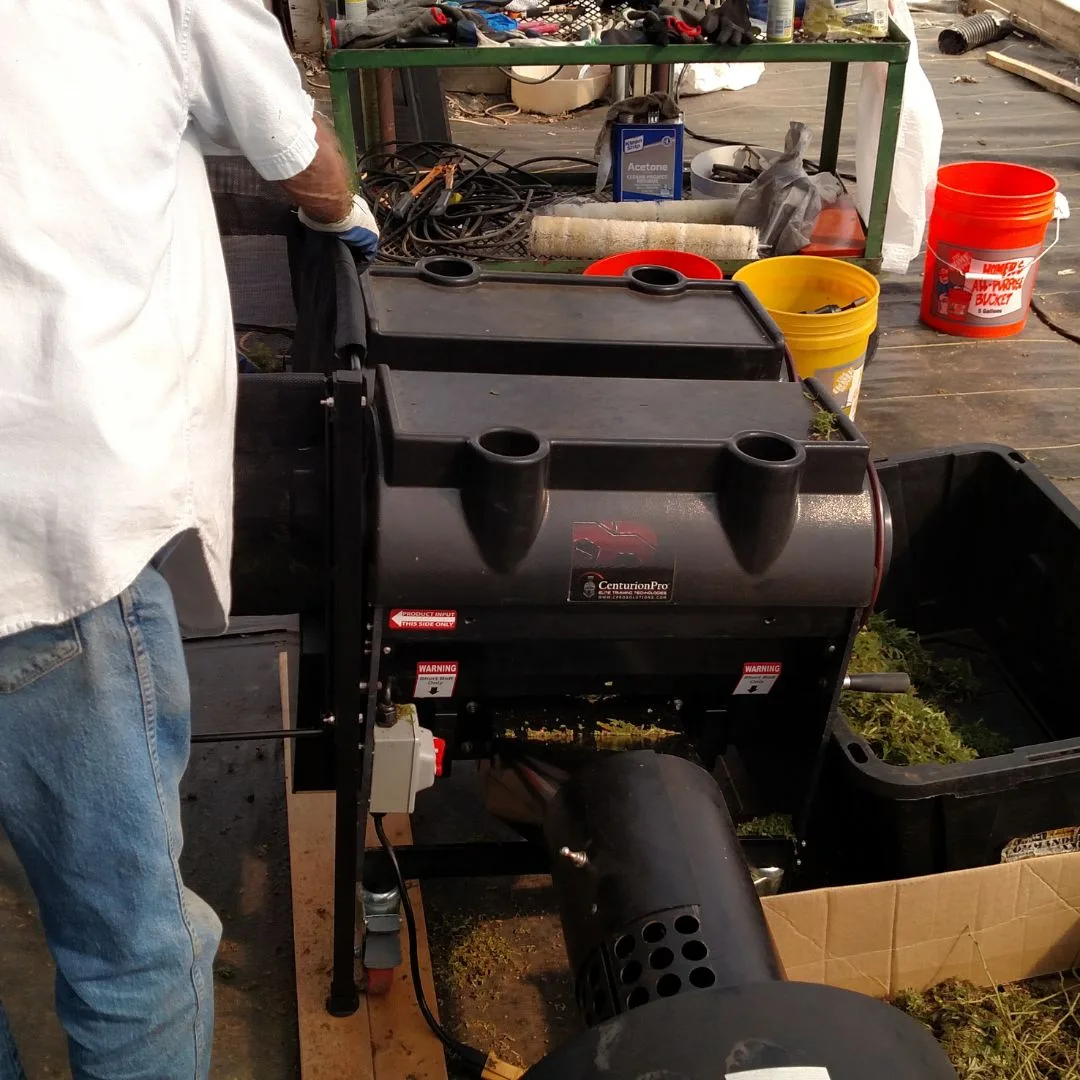
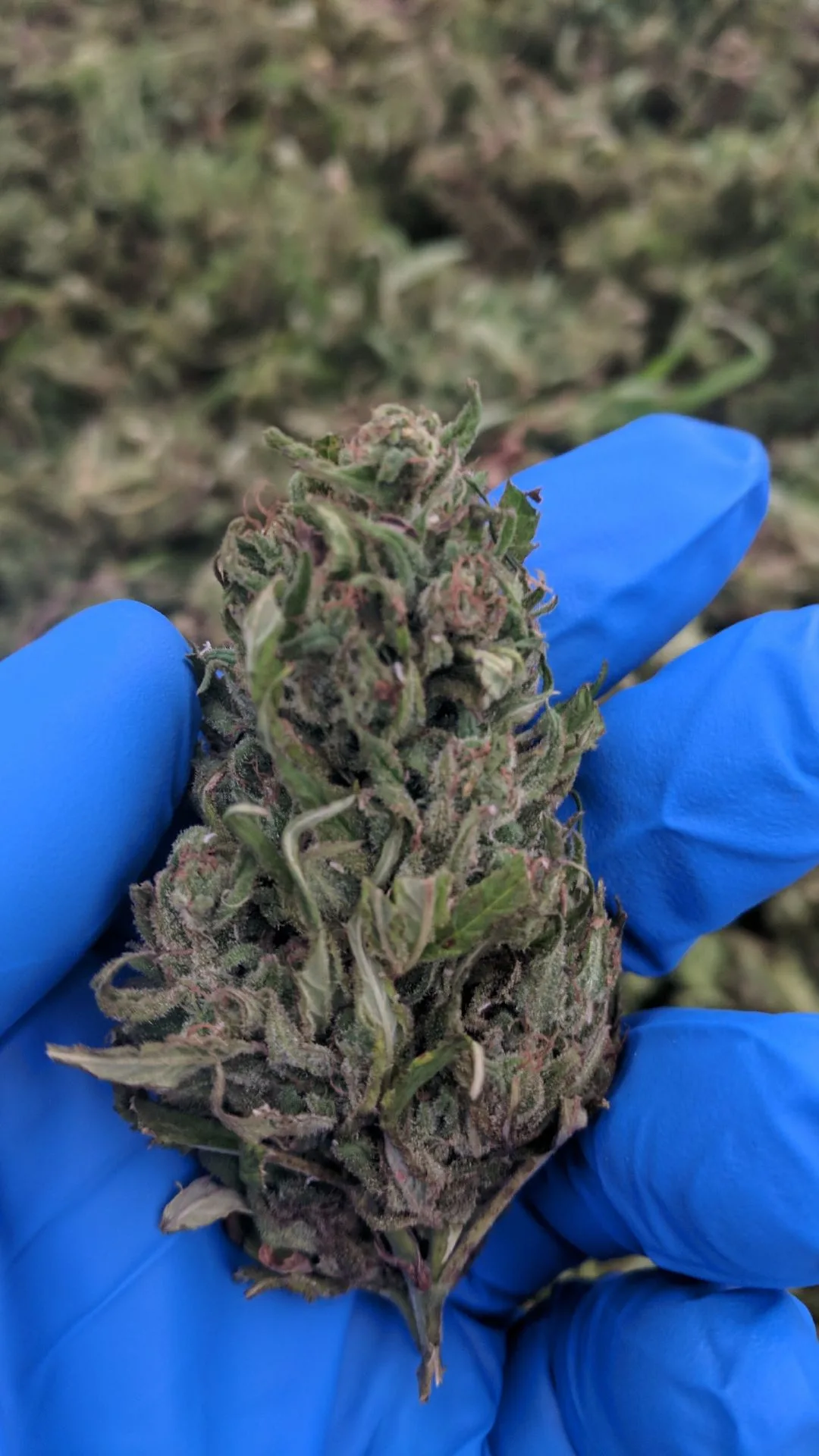
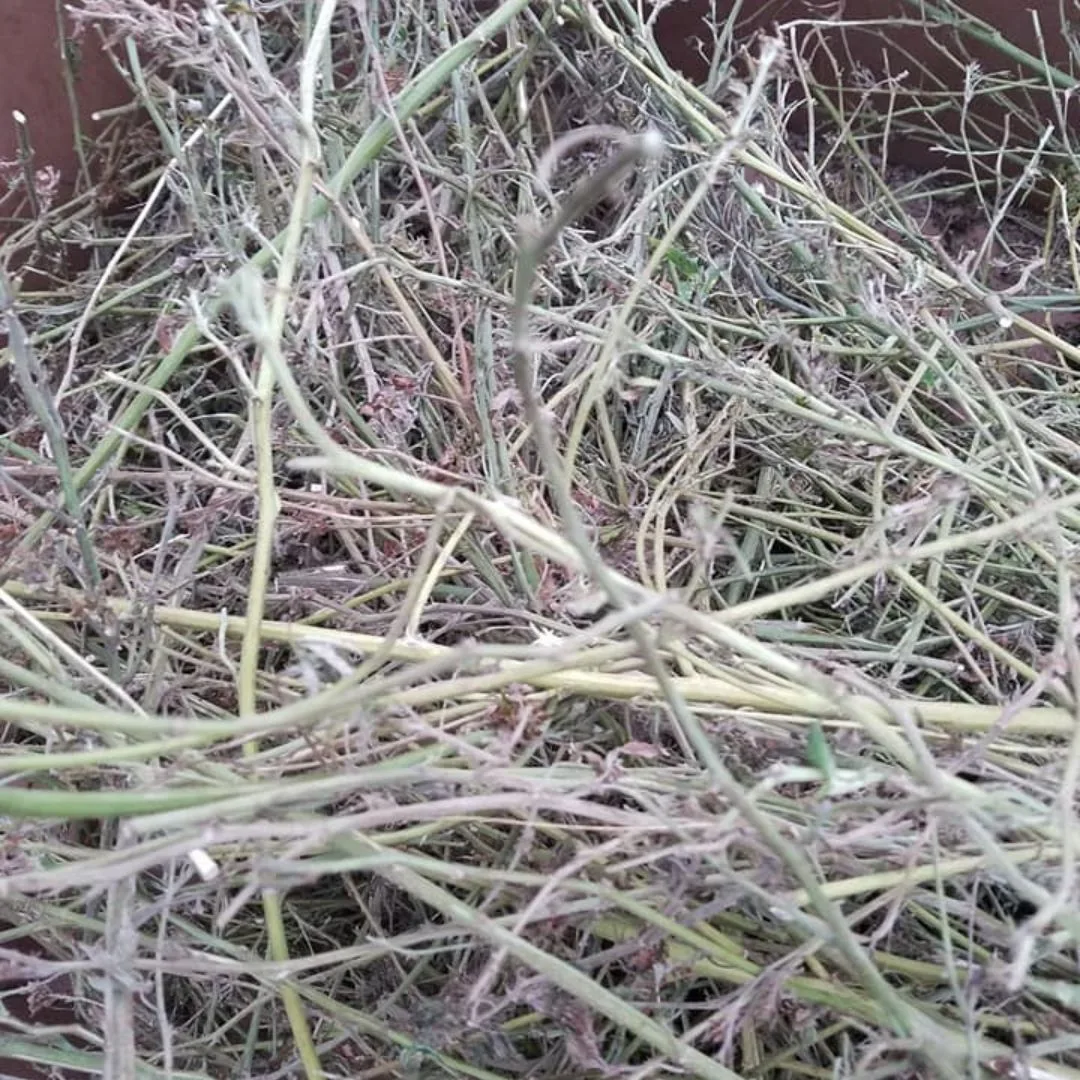
The 2017 story does not end at harvest. The final chapter is post-harvest handling, how the crop was trimmed, separated, dried, and prepared. These images matter because they show the discipline of deciding what material to keep and what material to exclude before extraction.
Post-harvest standards
Selectivity became part of the quality standard.
These images show that not all harvested biomass was treated equally. Flower-focused preparation shaped what moved forward and what was intentionally left behind.
Section 5
The year Kentucky Cannabis Company connected the full chain.
2017 was the year Kentucky Cannabis Company connected the full chain. We preserved genetics through winter, increased propagation capacity, built stronger spring starts, established more uniform greenhouse and field production, and carried that discipline all the way through harvest and post-harvest preparation. The result was not just a bigger season. It was a more complete system, one that linked infrastructure, plant selection, cultivation management, and flower handling into a more repeatable model for the years ahead.
Continue exploring
See how genetics, facilities, and extraction standards evolved after 2017.
This page is part of a larger Kentucky Cannabis Company archive documenting how the cultivation chain extended beyond propagation and harvest into quality standards, extraction, and finished products.
Extraction context
This explainer gives readers a better bridge between what the 2017 bloom and harvest images show and how extraction choices affect the finished cannabinoid profile.