Kentucky-Grown Hemp | Full-Spectrum CBD | Clear Product Information
CBD and Arthritis: A Practical Guide
People living with arthritis often look for ways to manage discomfort, stiffness, and the strain that chronic symptoms can place on daily life. This page explains how people think about CBD in that context, what product-quality questions matter most, and why realistic expectations are important.
Rather than making promises, this guide focuses on what arthritis is, what researchers are still studying, and how to evaluate a CBD product more carefully.
Plain-Language Guide • Quality First • Medication Awareness • Professional Guidance
Important note
This page is educational. Arthritis care is personal, and the right next step may involve a healthcare professional, physical therapy, lifestyle support, and better product review rather than a one-product answer.
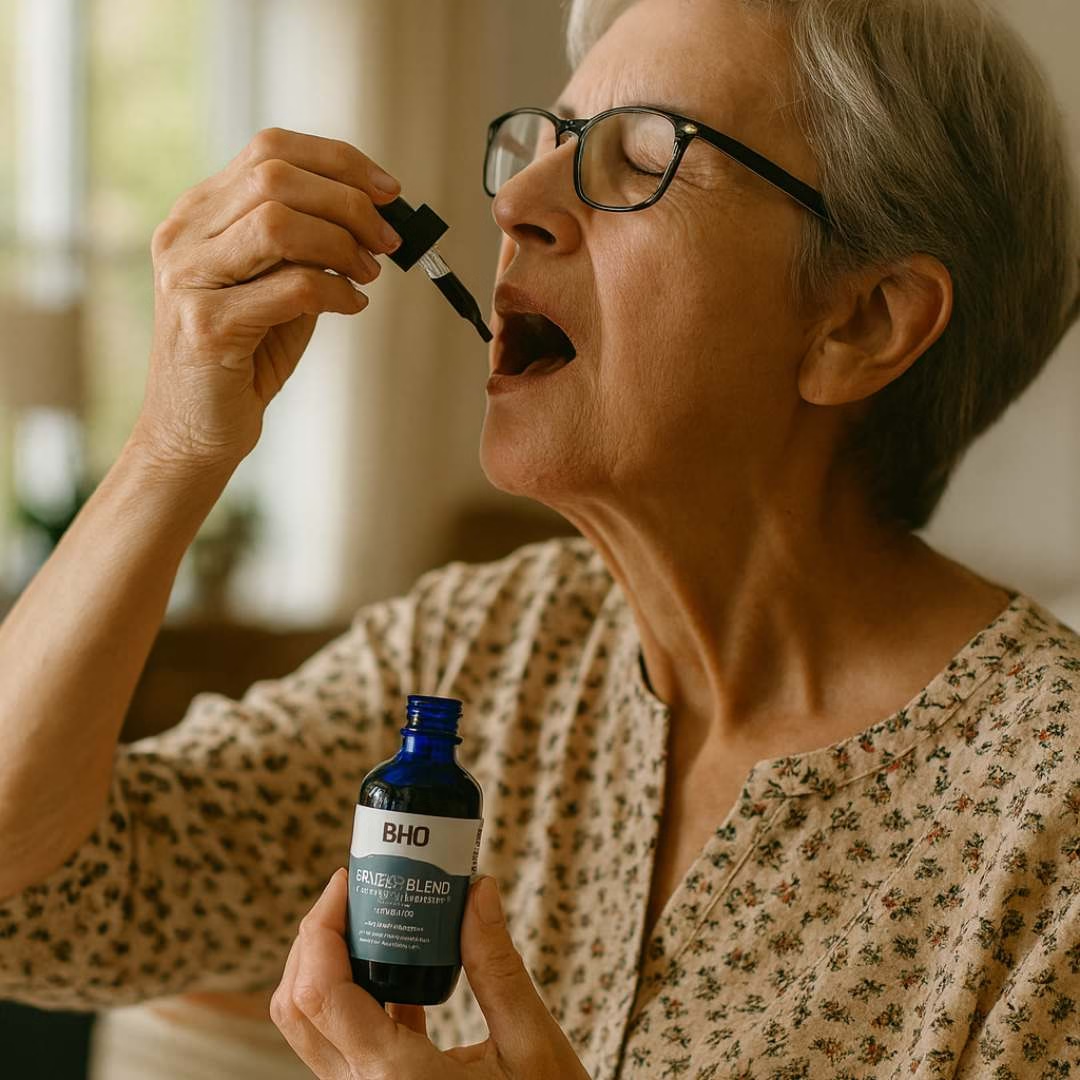
Arthritis Basics
Research Limits
Product Quality
Safety Questions
Understanding Arthritis and Its Impact
Arthritis affects joints, mobility, and quality of life. Depending on the type of arthritis and the person’s health history, symptoms may include stiffness, swelling, reduced range of motion, and pain that interferes with work, sleep, and daily tasks.
Because arthritis affects people differently, treatment and support plans often look different too. Medication, physical therapy, movement, sleep, stress management, weight support, and other routine changes may all be part of the bigger picture.
What the Research Can and Cannot Tell Us
CBD is often discussed in relation to discomfort and inflammation, and researchers continue to study how cannabinoids interact with the body’s endocannabinoid system. There is real interest in this area, but the evidence is still developing and should be described carefully.
A strong page should not overstate results or turn early findings into guarantees. A better standard is to explain the topic honestly, note that studies vary, and help readers focus on product quality, safety, and professional guidance.
How to Evaluate a CBD Product for Arthritis
The product itself deserves close attention.
Check the COA
A current Certificate of Analysis should confirm cannabinoid content and screen for contaminants such as pesticides, heavy metals, mold, and residual solvents.
Know the format
Some people prefer oils, others look at topicals or gummies. The best format is usually the one that fits the person’s routine and is easy to use consistently.
Read the label closely
Look for clear ingredient lists, extract type, serving information, and straightforward company contact details.
Avoid exaggerated claims
Quality products rely on transparency, not promises that sound too certain or too broad.
Where CBD Fits in a Bigger Arthritis Conversation
CBD may be one part of a broader routine, but arthritis management often involves more than one decision. Movement, stretching, physical therapy, sleep quality, daily stress, and communication with a healthcare professional can all influence how someone feels from day to day.
That broader view is part of what makes a page feel trustworthy. It respects the complexity of the condition instead of reducing it to a single product choice.
Questions worth asking
Am I reviewing lab testing? Do I understand the ingredients? Have I discussed this with the right professional if medications are involved? Am I expecting too much from one product alone?
Safety and Medication Considerations
People with arthritis may already be taking medications or following a treatment plan. That is why CBD should be approached carefully. Cannabinoids can interact with some medications, and that possibility should be part of the decision before a product is added to a routine.
A safer standard
If you take medications or have ongoing health concerns, the safest path is to speak with a qualified healthcare professional before using CBD.
Frequently Asked Questions
Can CBD cure arthritis?
No. We do not present CBD as a cure for arthritis or any other condition. What we can say is that many people explore CBD as part of their everyday routine, and a number of customers have shared positive feedback about their experience. The right approach is to review the product carefully, look at real customer reviews, and decide whether CBD may be worth discussing as an option for your needs.
What type of CBD product should I choose?
That depends on your routine, preferences, and the quality signals you can verify. Oils, capsules, and topicals each fit different situations.
Should I talk with a healthcare professional first?
Yes, especially if you take medications, have a diagnosed condition, and on medications or want guidance on whether CBD is appropriate for you.
What should I check before buying?
Start with third-party testing, ingredient clarity, extract type, and the company’s transparency.
Choose Quality and Keep Expectations Real
A strong arthritis page gives readers clear information, realistic expectations, and better questions to ask before they buy. That is a stronger foundation than sweeping claims.
Continue with the CBD Shop, FAQ, and Benefits of Full-Spectrum CBD.