
37th Parallel: A Father’s Fight for Botanical Truth
In 37th Parallel, the story reaches far beyond the boardroom and the balance sheet into the raw human reason it all began: a father trying to save his son.
At the center of the book is Colten, a child suffering hundreds of seizures a day, and a family pushed to the edge in search of something that could help when conventional answers fell short. The victories were not glamorous. They were measured in silence, in breath, in the first 24 hours without a seizure.
From that desperation came what would become Kentucky Cannabis Company, one of the earliest fully integrated, full-spectrum CBD operations in the United States.
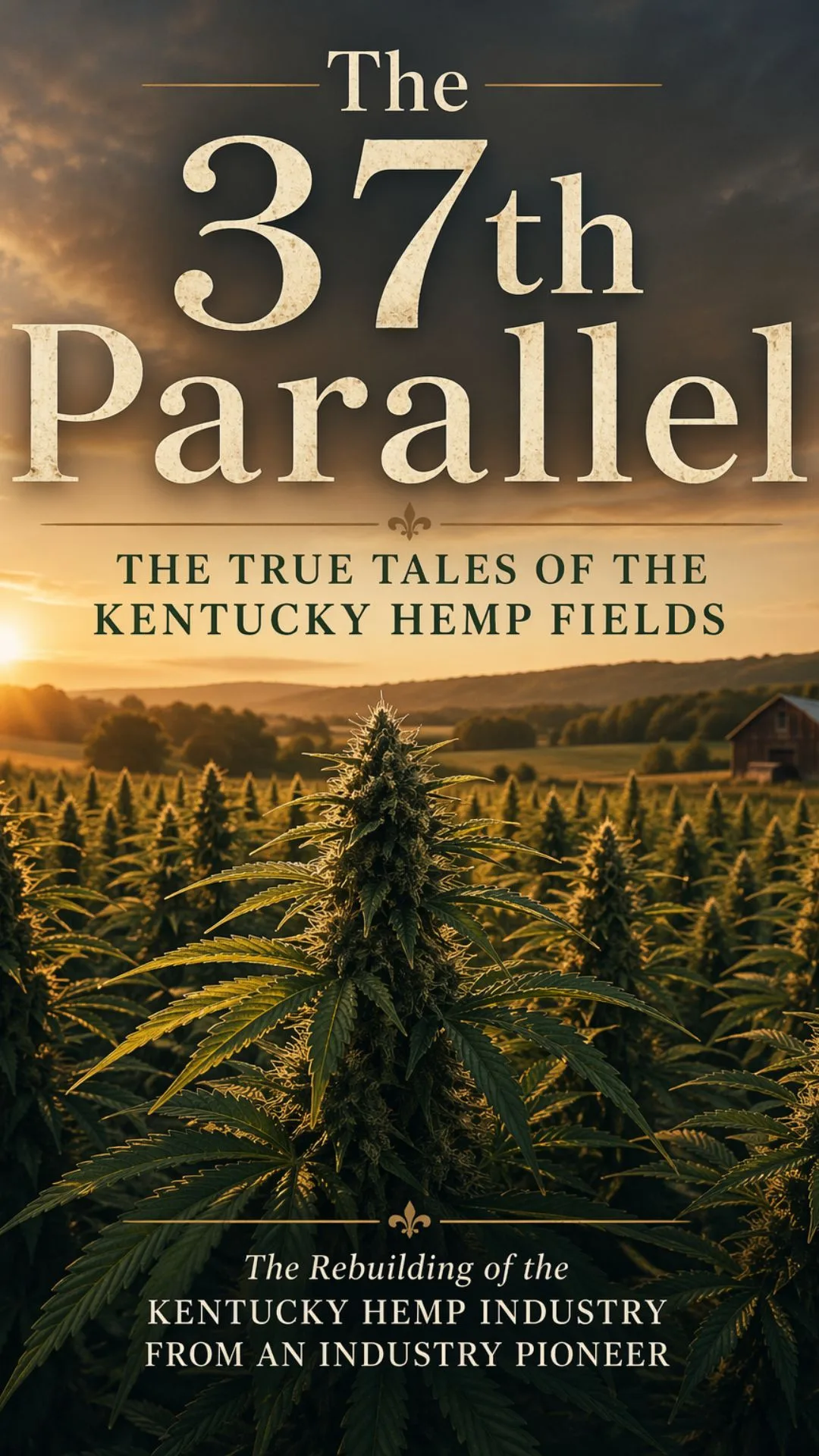
A book about conviction, sacrifice, and the fight to restore integrity to a movement that began with families in crisis.
Why this book matters
More than a business memoir, this is the story of a father’s refusal to accept “no,” a farmer’s refusal to sell his soul, and a call to return to the botanical truth.
A Father’s Reason
Where the story really begins
This story is not driven by trend, branding, or hype. It begins with a family crisis, with a child in pain, and with a father trying to find something that could help when conventional answers fell short.
Colten and the search for relief
At the center of 37th Parallel is Colten, a child suffering hundreds of seizures a day. The victories were not glamorous. They were measured in silence, in breath, and in the first 24 hours without a seizure.
Built from Kentucky soil up
From that desperation came Kentucky Cannabis Company, one of the earliest fully integrated, full-spectrum CBD operations in the United States. The mission was built from the ground up: breeding genetics, planting in Kentucky soil, engineering extraction systems in-house, and pursuing a repeatable botanical formulation families could trust.
Being Early Meant Being Exposed
What pioneering the industry actually cost
In 2014, CBD was still widely misunderstood. The book recounts the stigma, the fear, and the pressure that came with putting your name, your family, and your livelihood behind a plant most people did not yet understand.
Judgment and stigma
It recounts the judgment from neighbors and the social pressure that came with backing a plant most people had already been taught to fear.
Scrutiny from law enforcement
It captures the constant scrutiny and the sense that a family trying to do something honest could still be treated like a threat.
Regulatory uncertainty
There was always the uncertainty that regulators might destroy the very crops that held the most promise, even when the mission was rooted in helping children and families.
The original mission
Children, families, and botanical integrity
What began as a mission to help children and families was grounded in honest farming, full-spectrum botanical work, and the belief that a repeatable formulation could be built without shortcuts.
What it became
Opportunists, synthetics, and profit-first drift
One of the book’s deepest wounds is watching that original mission get diluted while honest farmers and botanical innovators paid the price. The book confronts the rise of opportunists, synthetic products, regulatory confusion, and profit-first thinking.
The 37th Parallel as a line of balance
It is the story of a man who walked away from the promise of enormous wealth rather than compromise what he believed was true.
Ultimately, this is about making sure the next father does not have to battle the government, the bankers, and the industry itself just to help his child breathe.
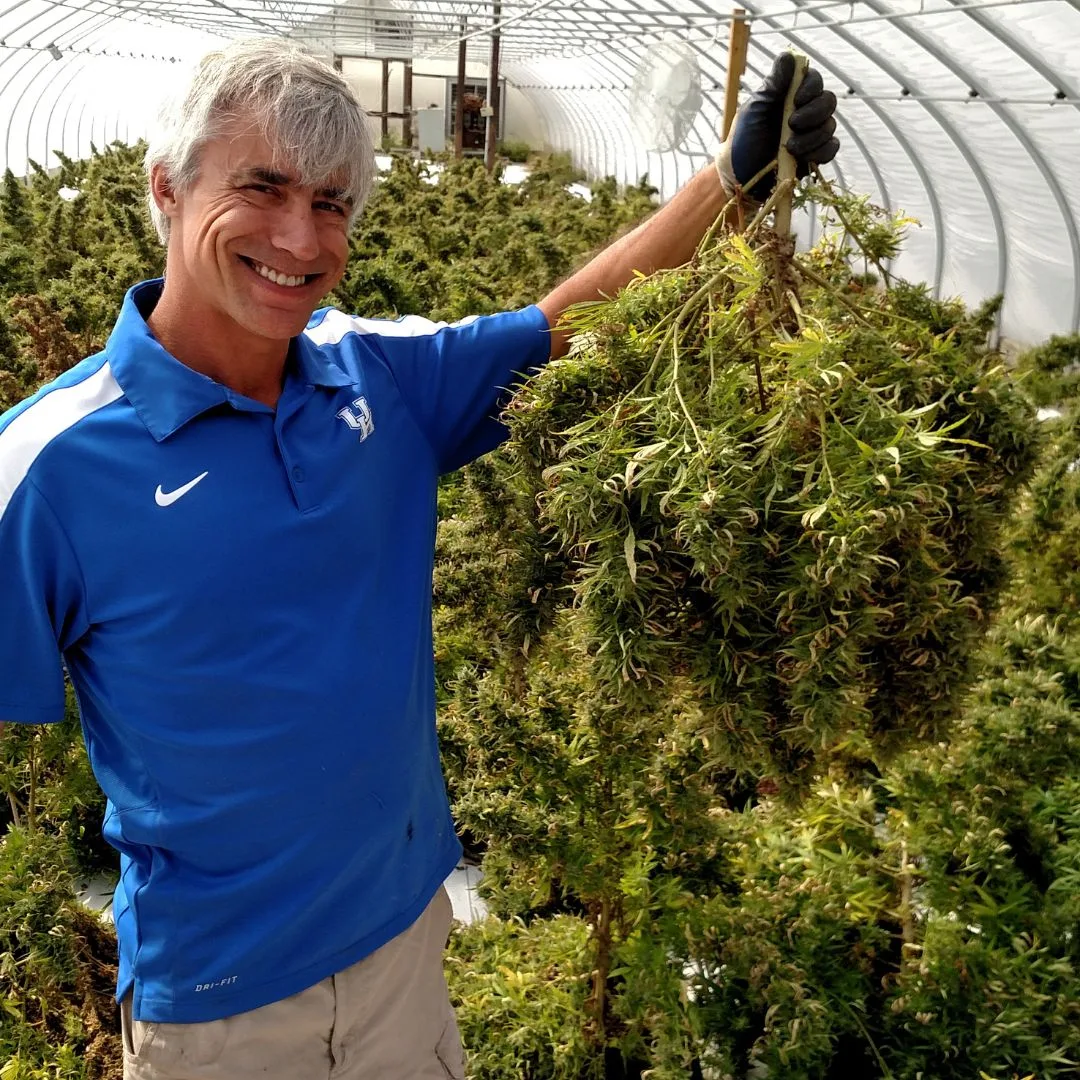
Bill Polyniak
Farmer / Author / Cannabis advocate
Bill Polyniak’s career in the hemp industry began not with a business plan, but with a father’s promise. Driven to find a natural, botanical alternative for his son’s health, Bill became a pioneer in the American hemp movement, founding the nation’s first fully integrated, full-spectrum CBD company.
While others saw a "Green Rush" of profit, Bill saw a biological heritage. As a first-generation leader in Kentucky’s 2014 pilot programs, he navigated heavy stigma and legislative trials to bring the Genesis Blend to families nationwide.
In 2014, Bill made a definitive stand for integrity over interest. He walked away from the industry's largest emerging corporate player, selling his entire stake for just one dollar to protect the safety and purity of his mission. Alongside his business partner, Dave Hendrick, Bill chose to prioritize the plant and the patient over bureaucratic machinery.
Today, Bill remains a relentless advocate for the industry’s soul, focusing on delivering the highest quality full-spectrum CBD oil. In his book, 37th Parallel, he documents the rebuilding of the Kentucky hemp industry, sharing the pivotal moments and hard-won business lessons discovered along the way.