Kentucky Cannabis Company • Historical Archive • 2014

The first year in images

2014: Bringing Hemp Back to the Commonwealth of Kentucky

In 2014, hemp returned to Kentucky in a meaningful and documented way. For those of us working inside the pilot program, this was not a trend or a theory. It was the practical work of sourcing genetics, moving live plants, building propagation systems, preparing fields, and proving that high-CBD cannabis sativa could once again be cultivated responsibly in the Commonwealth.

This page captures that first year in images. Each photograph marks a real step in the early reintroduction of hemp to Kentucky and documents the people, places, and work that helped establish the foundation for Kentucky Cannabis Company. Learn more on our About Kentucky Cannabis Company page.

Pilot Program

Official participation under the 2014 hemp research framework.

Early Genetics

High-CBD plants, propagation work, and greenhouse expansion.

Field Work

Soil preparation, planting, and the first outdoor high-CBD work.

Kentucky Logistics

Moving plants across the state before systems and scale existed.

Visual timeline
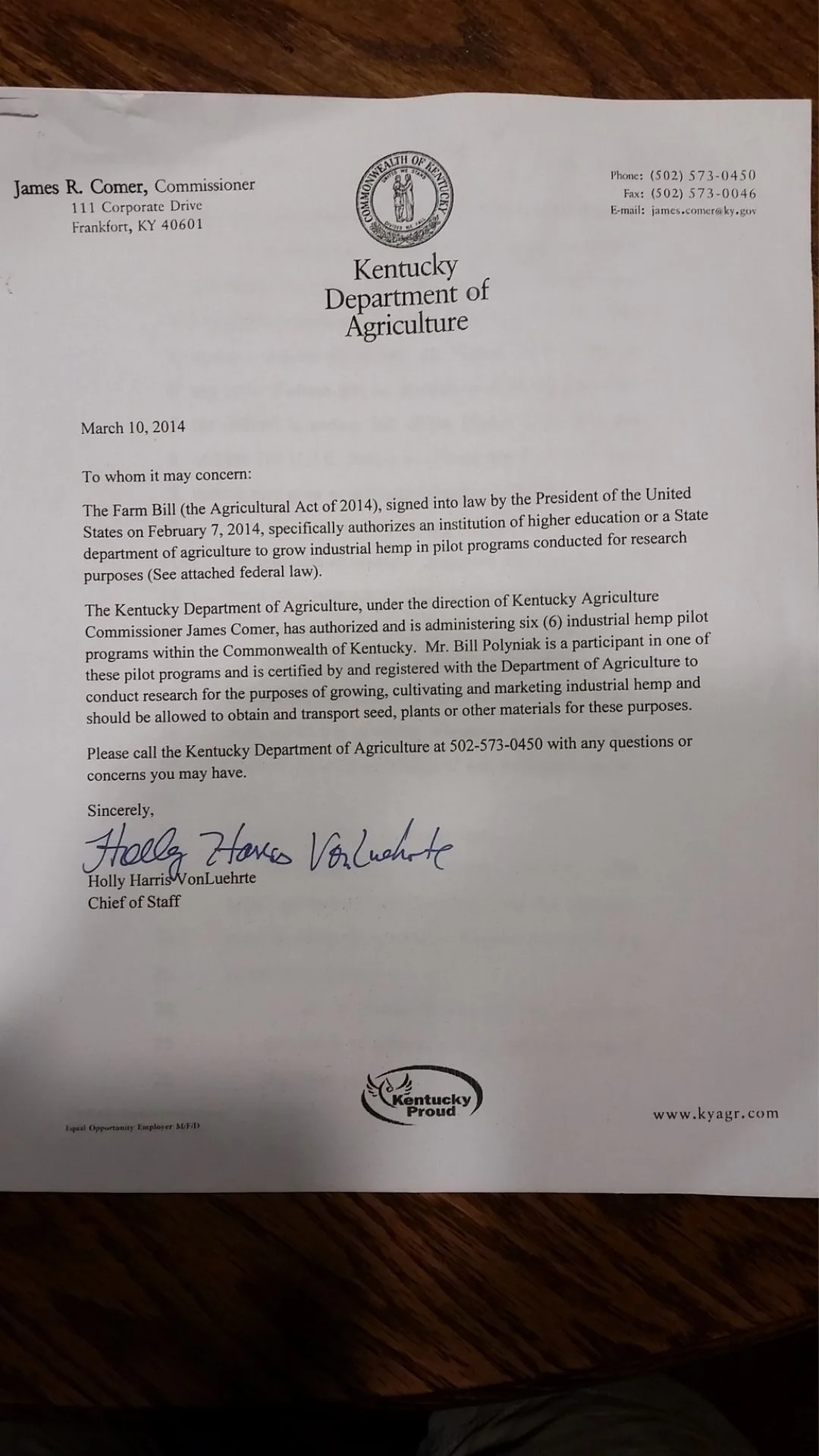
Agreement from the Kentucky Department of Agriculture confirming Bill Polyniak's participation in the 2014 hemp pilot program.

February 2014

Official Participation in the Hemp Pilot Program

This agreement from the Kentucky Department of Agriculture documents Bill Polyniak’s participation in the hemp pilot program signed into law on February 7, 2014. It marks the formal beginning of a project that would become part of Kentucky’s modern hemp revival.

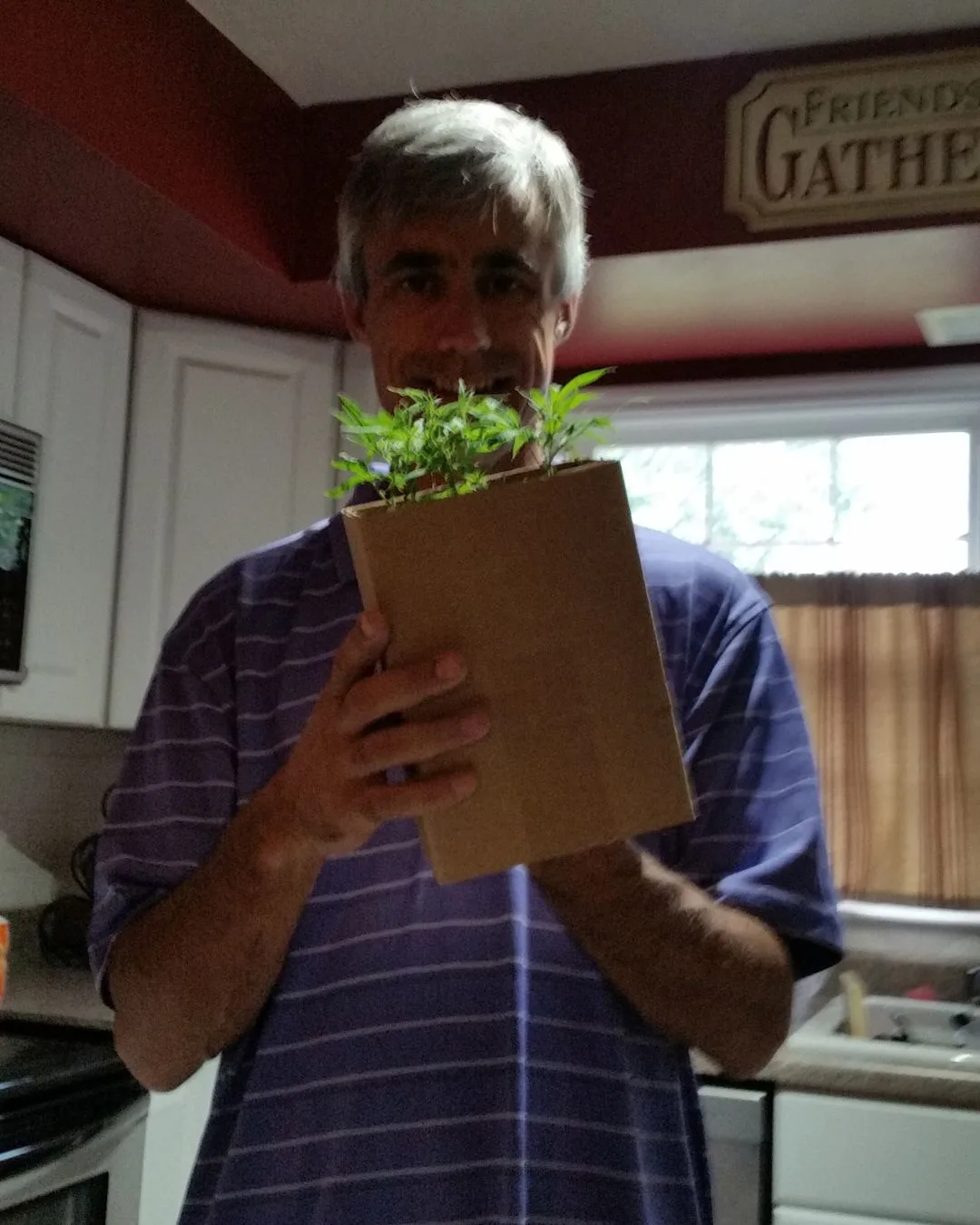
Bill Polyniak holding early high-CBD hemp clones in Kentucky in March 2014.

March 16, 2014

The Arrival of the First High-CBD Clones

Bill Polyniak holds high-CBD hemp clones acquired to begin cannabinoid research in Kentucky. These plants arrived on March 16, 2014 and were among the earliest legally introduced live hemp plants returned to Kentucky in the modern era.  These were the first legal hemp plants in Kentucky since 1944.

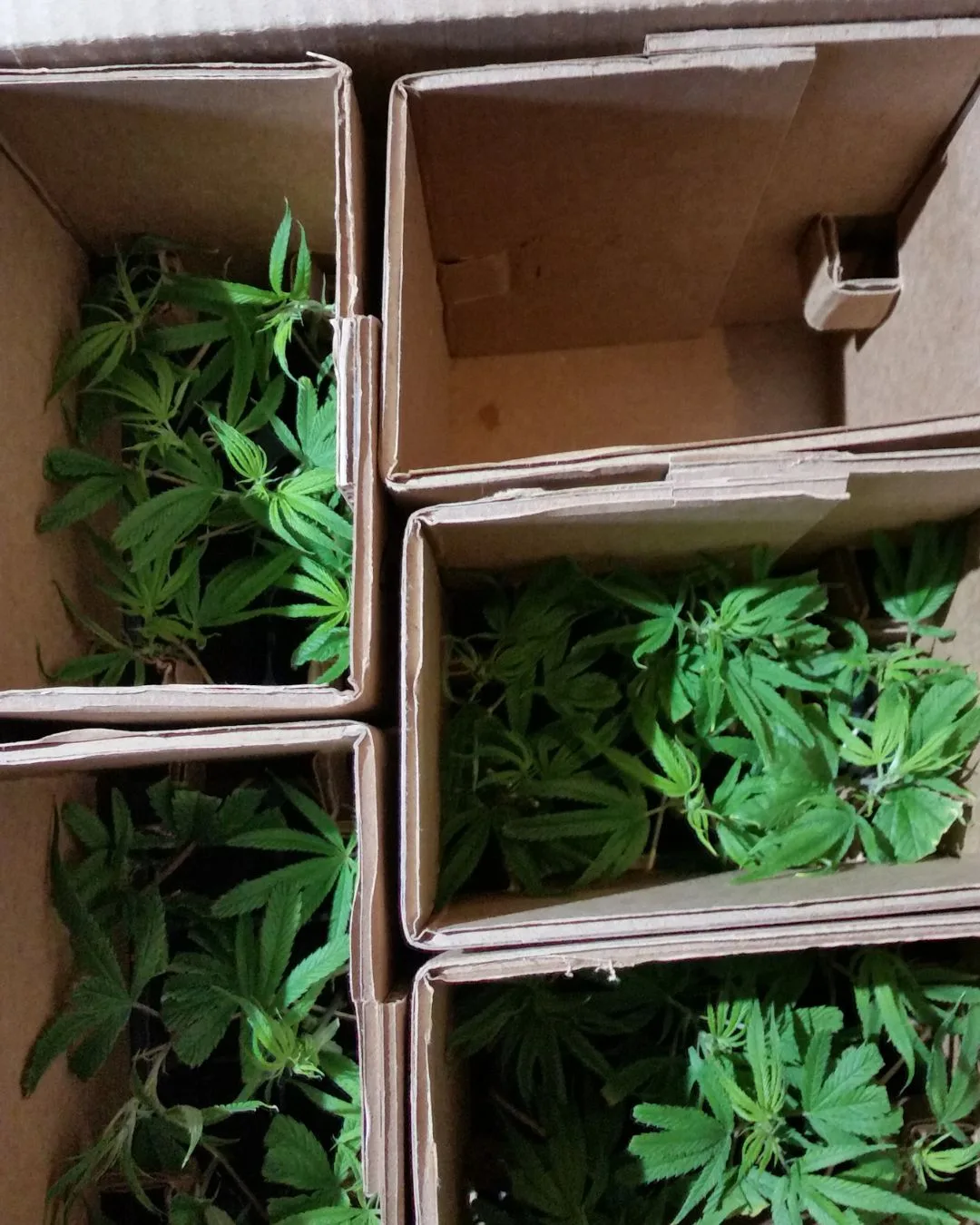
Interior of a custom shipping box designed to transport hemp clones safely.

Early logistics

Designing a Safe Way to Ship Living Plants

With no established playbook for moving sensitive hemp genetics, Bill Polyniak designed a custom shipping box that helped maintain safer temperature and light conditions during transport. It is a practical example of how the first year depended on hands-on problem solving.

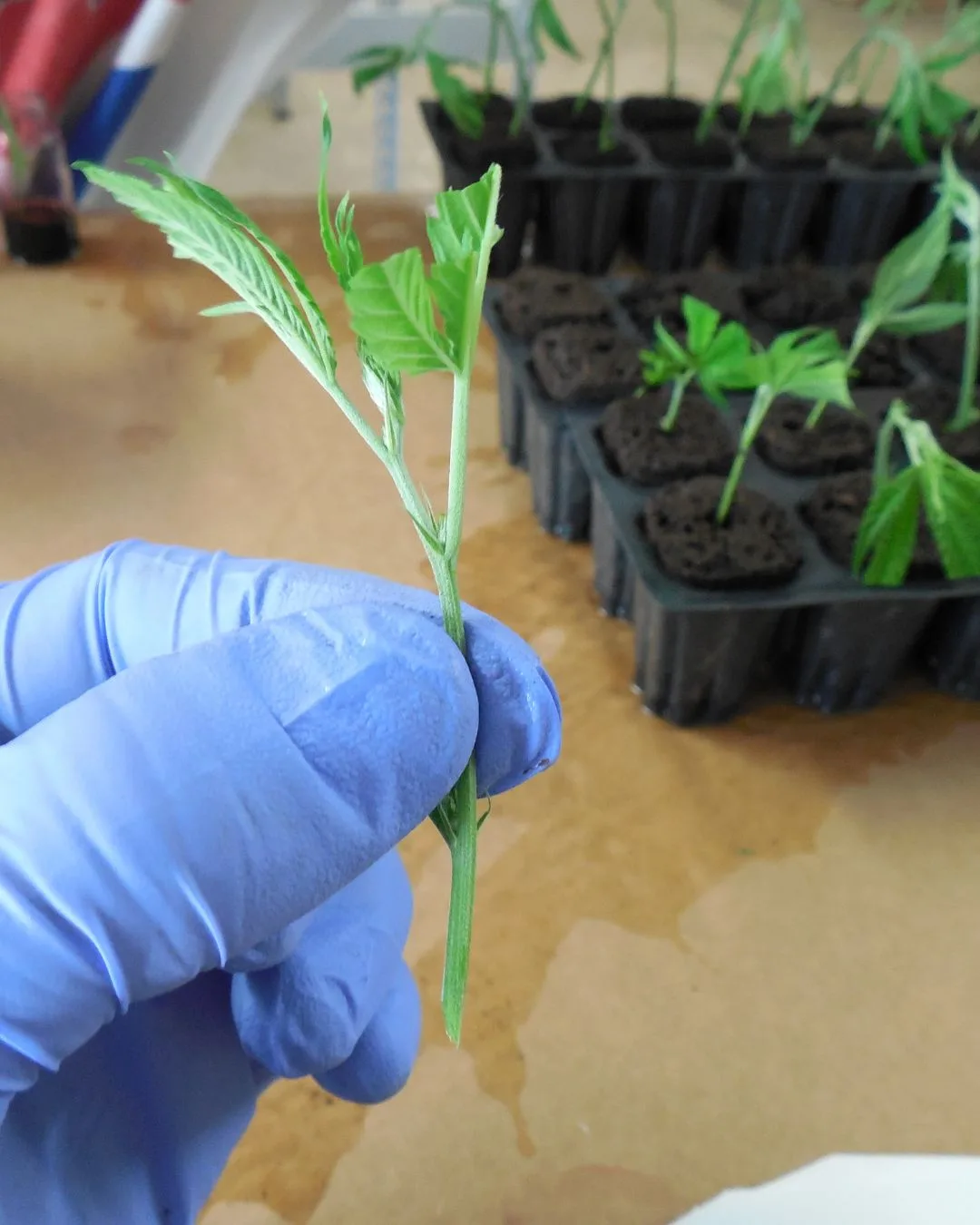
Close-up of a freshly cut hemp clone prepared for propagation in Kentucky.

Propagation

A Fresh Cut for Expansion

This close-up shows a fresh clone cutting prepared for propagation. In 2014, propagation was not a background task. It was one of the most important pieces of the process because stable genetics and healthy plant material were essential to the season ahead.

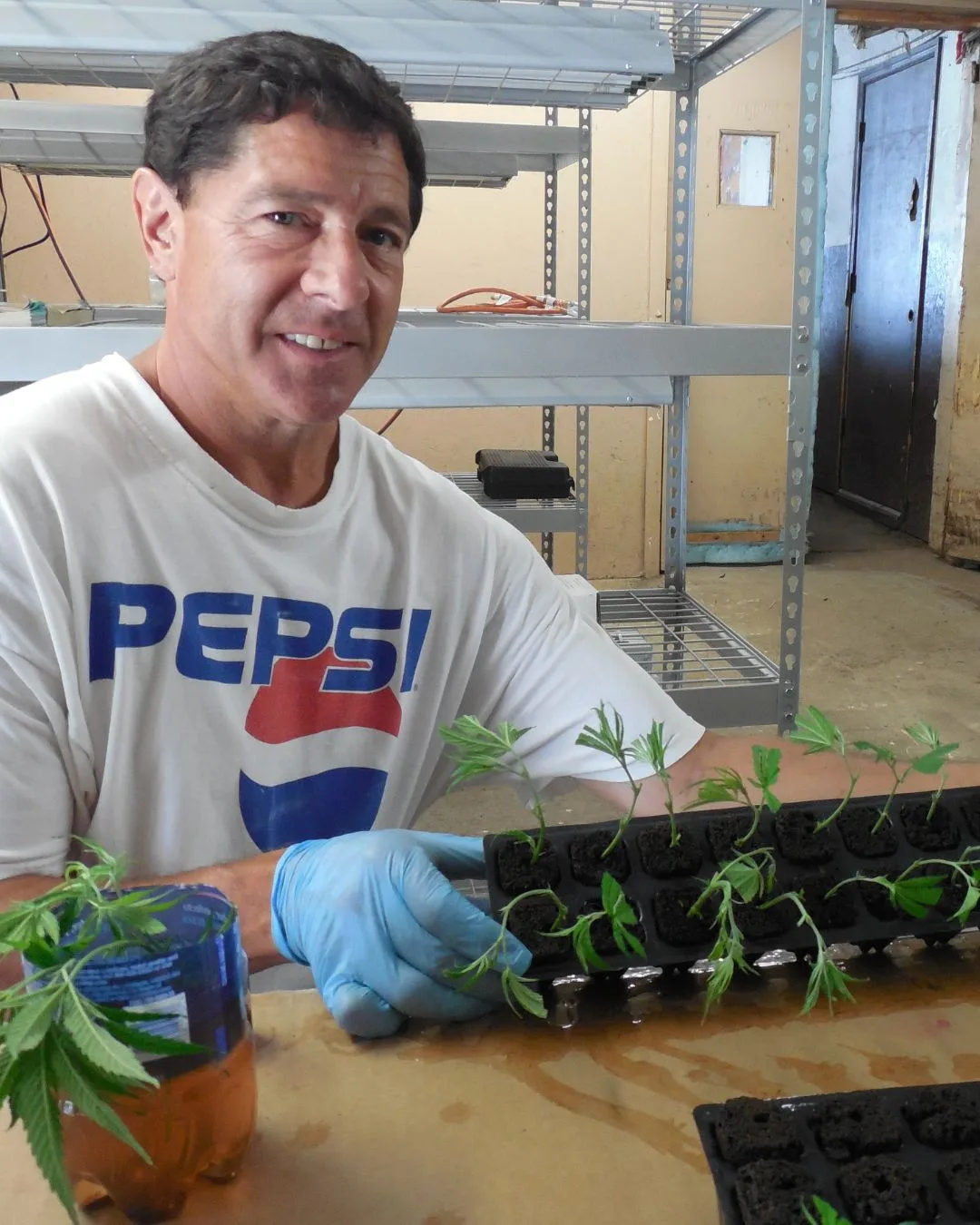
Dave Hendrick holding a tray of fresh hemp clone cuttings in Kentucky in 2014.

Greenhouse work

Building Out the Greenhouse

Dave Hendrick stands with a tray of fresh clone cuttings that would help fill out the greenhouse for the first season. Each tray represented another step toward establishing a viable high-CBD hemp crop in a state where modern hemp infrastructure did not yet exist.

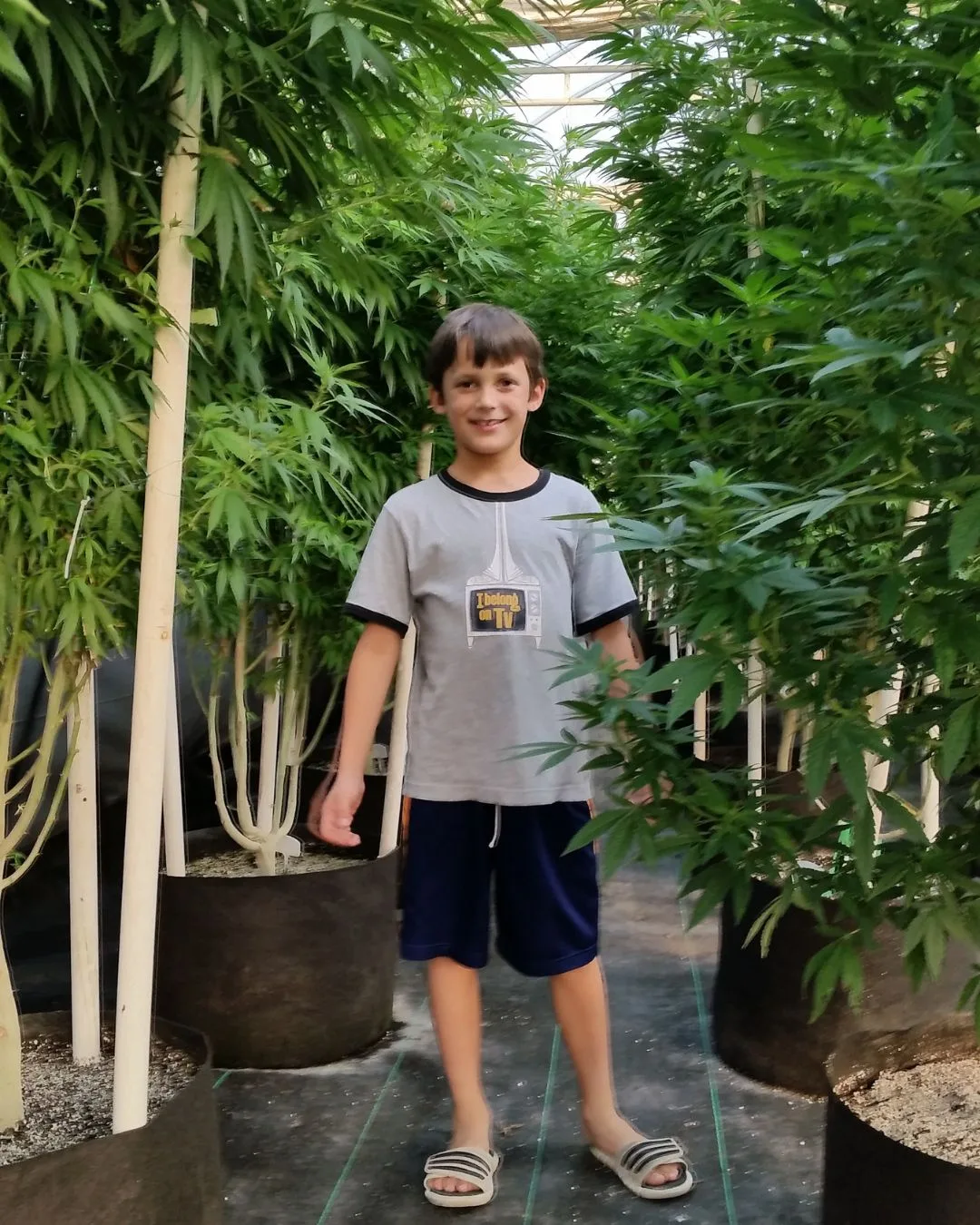
Young Colten Polyniak standing among tall cannabis sativa hemp plants in Kentucky.

Why the work mattered

A Personal Reason Behind the Research

This image of Colten Polyniak standing among tall cannabis sativa hemp plants reflects a deeper motivation behind the early work. For many families, hemp represented a plant that deserved serious research, responsible cultivation, and better public understanding.

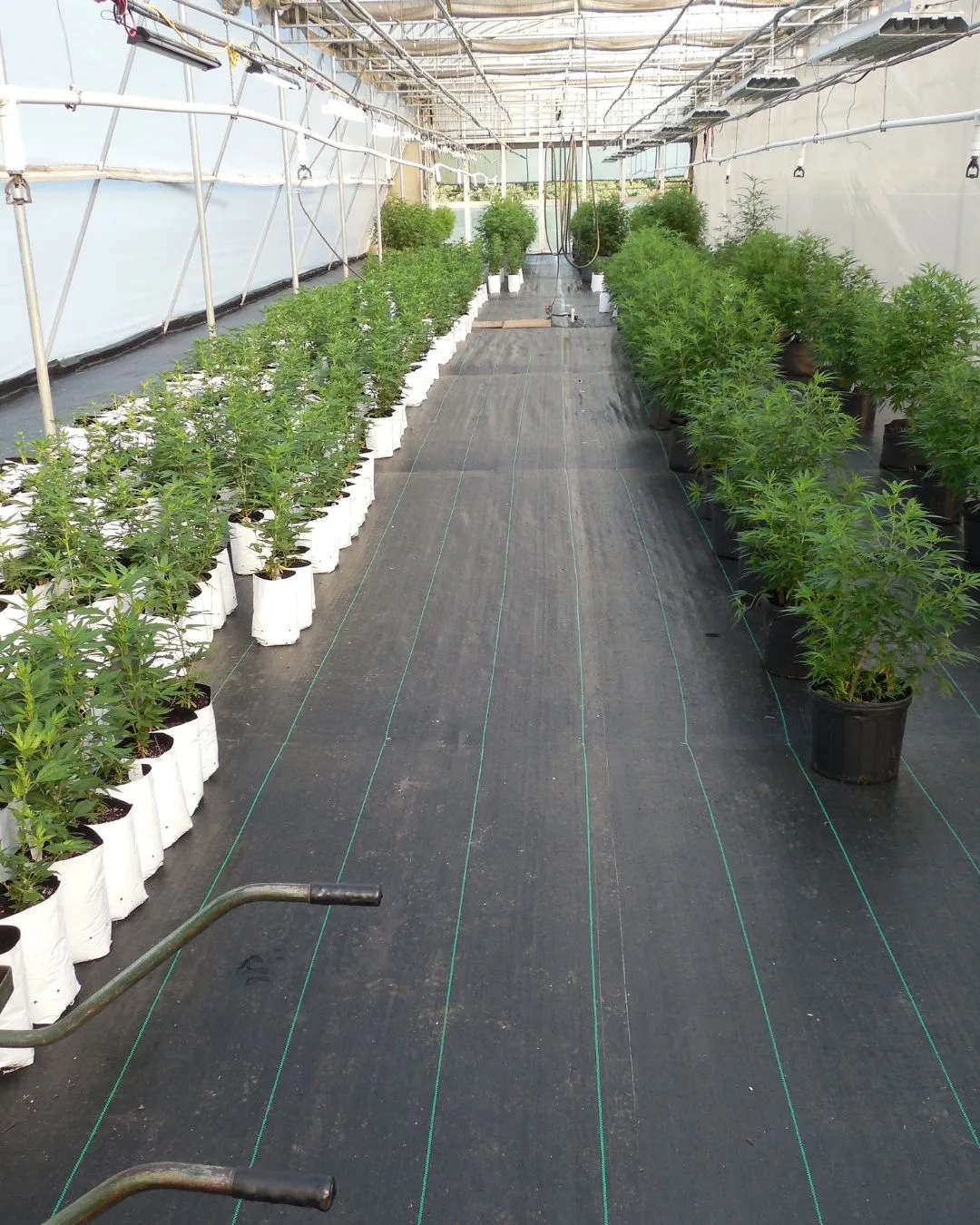
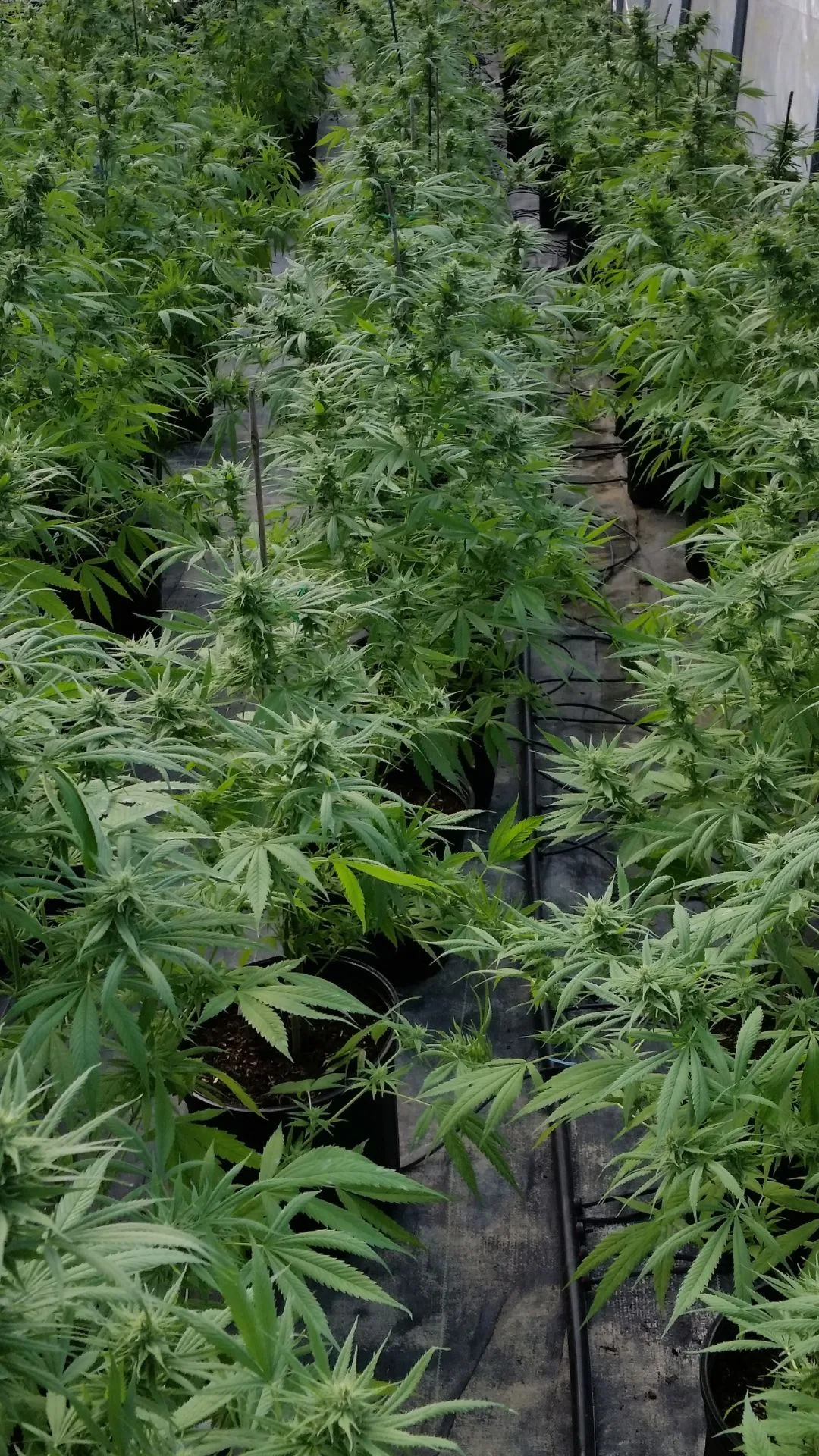
Greenhouse image showing contrasting hemp plant structures in Jackson County, Kentucky, in 2014.

Genetics in focus

Comparing Early Plant Structure in Jackson County

This greenhouse image from the Halverson family farm in Jackson County documents an important early lesson: genetics mattered. Differences in plant structure, vigor, and growth pattern would go on to shape cultivation strategy and the development of high-CBD hemp production in Kentucky.

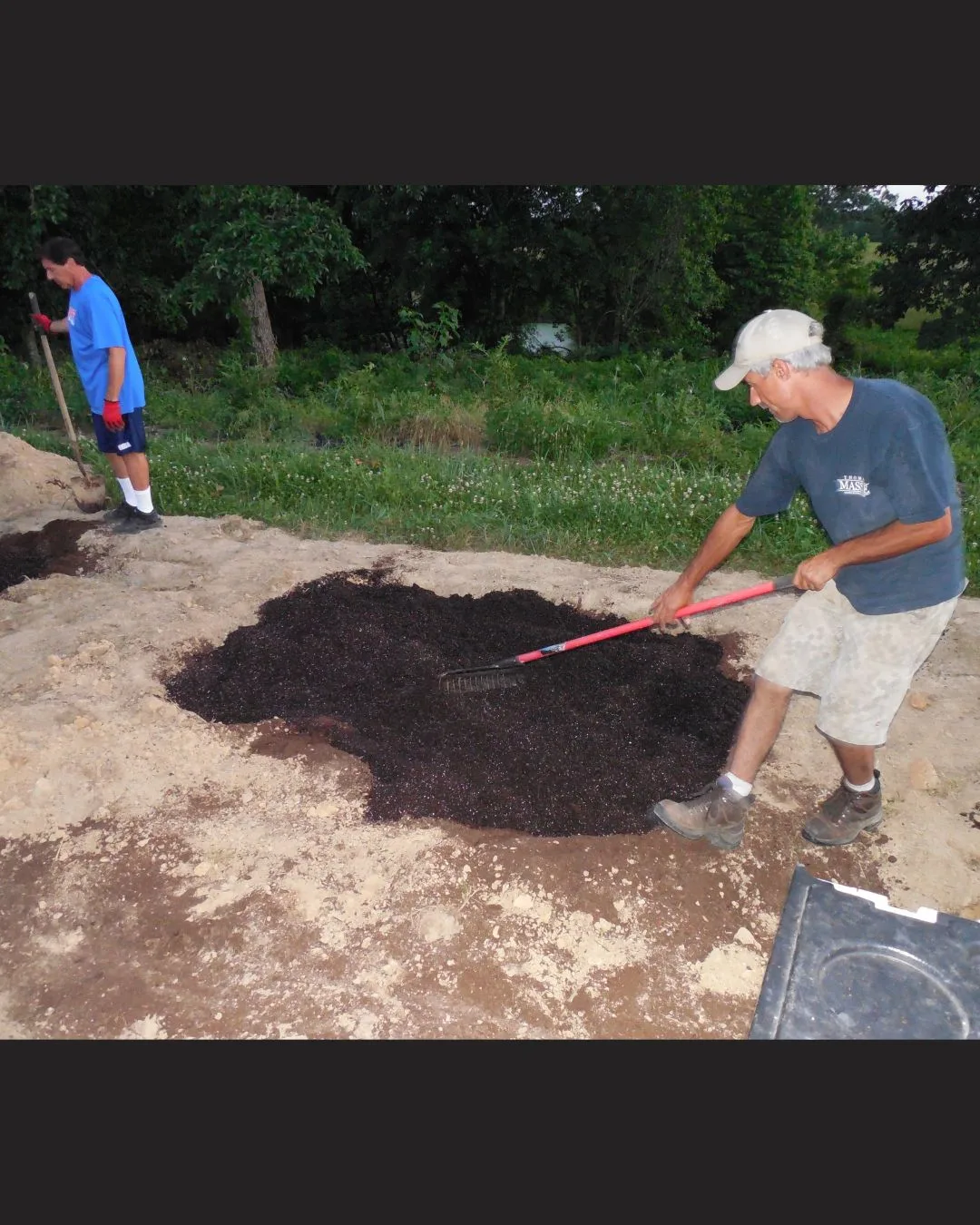
Bill Polyniak and Dave Hendrick preparing soil for hemp planting in Kentucky in 2014.

Field preparation

Preparing the Ground for Outdoor Planting

Bill Polyniak and Dave Hendrick prepare the soil for outdoor planting. Before the industry had polish, it had fieldwork. This image captures what the first year actually looked like: practical labor, long days, and the work of translating research into agriculture.

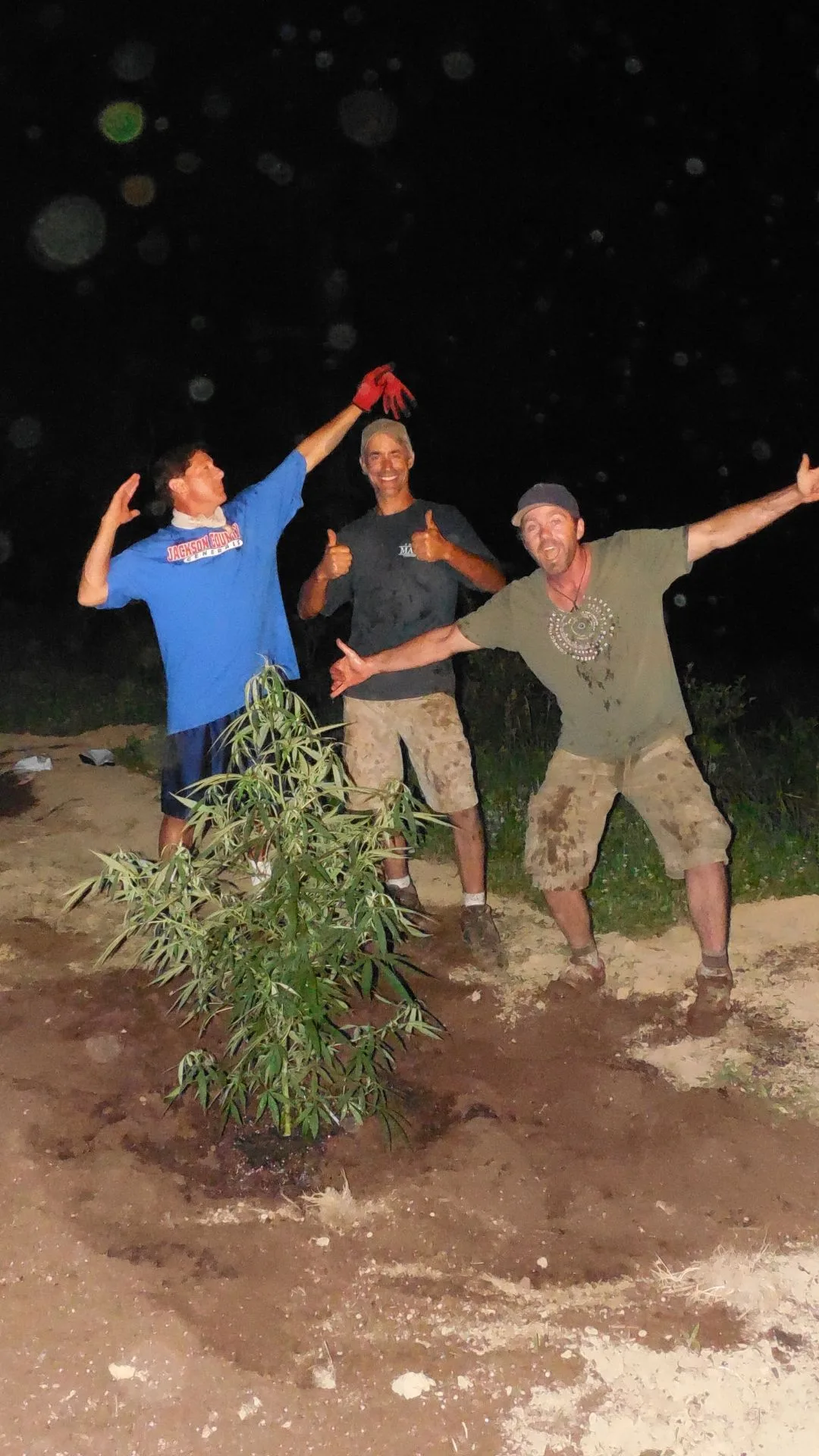
Bill Polyniak, Lance Polyniak, and Dave Hendrick planting an early high-CBD hemp mother plant outdoors in Kentucky in 2014.

A defining moment

Planting One of Kentucky’s Early High-CBD Mother Plants Outdoors

Bill Polyniak, Lance Polyniak, and Dave Hendrick plant one of Kentucky’s early high-CBD cannabis sativa mother plants outdoors. This photograph marks a defining moment in the Commonwealth’s modern hemp history and reflects the return of regulated, research-driven hemp cultivation to Kentucky soil.

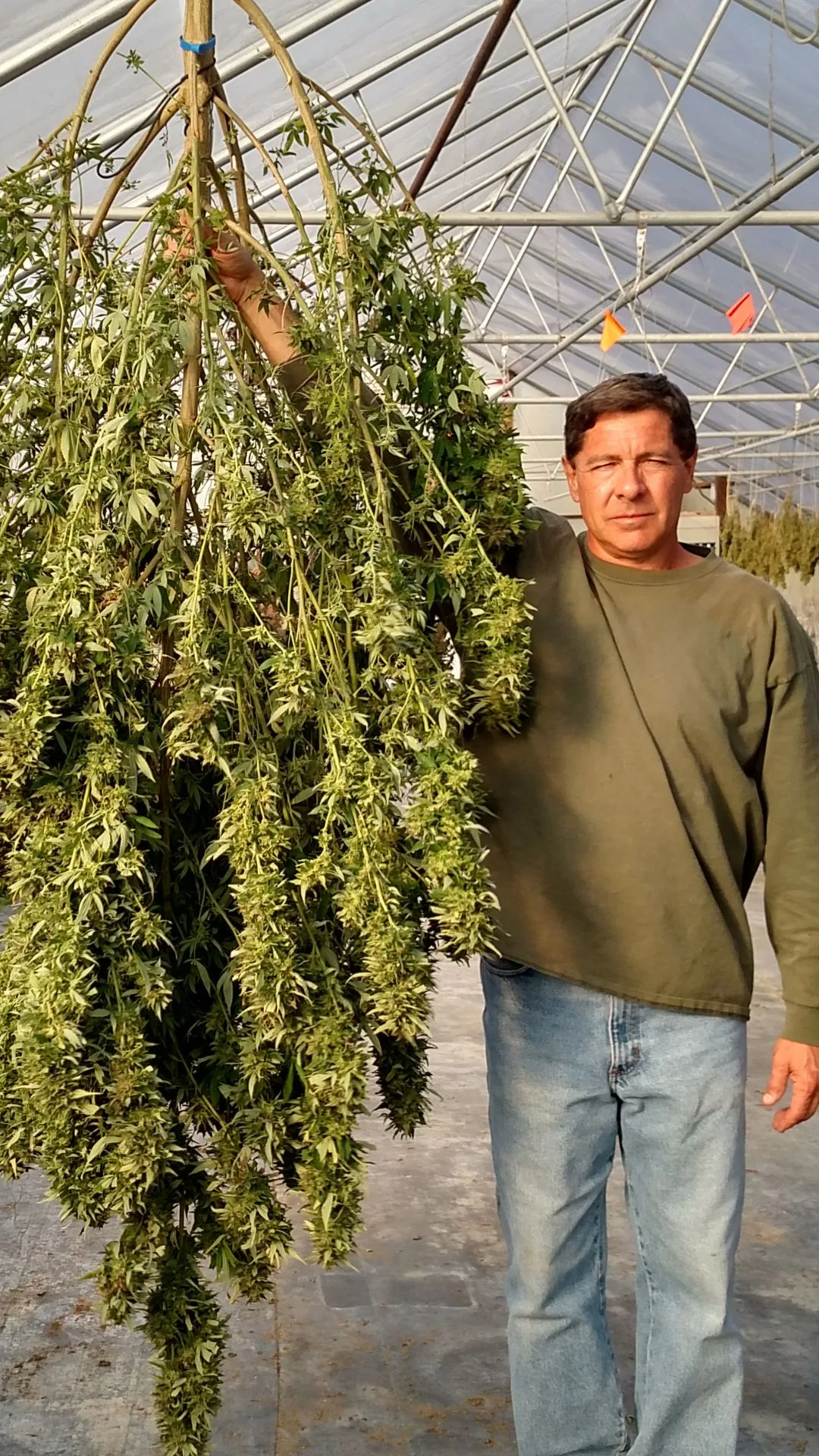
Dave Hendrick holding a harvested hemp plant in Jackson County, Kentucky, in 2014.

Industry lessons

Learning Why Process Control Matters

The first year also brought hard lessons about what it takes to build a trustworthy hemp company. Early challenges reinforced the importance of controlling the process from cultivation through finished product, a principle that would become central to Kentucky Cannabis Company’s long-term approach.

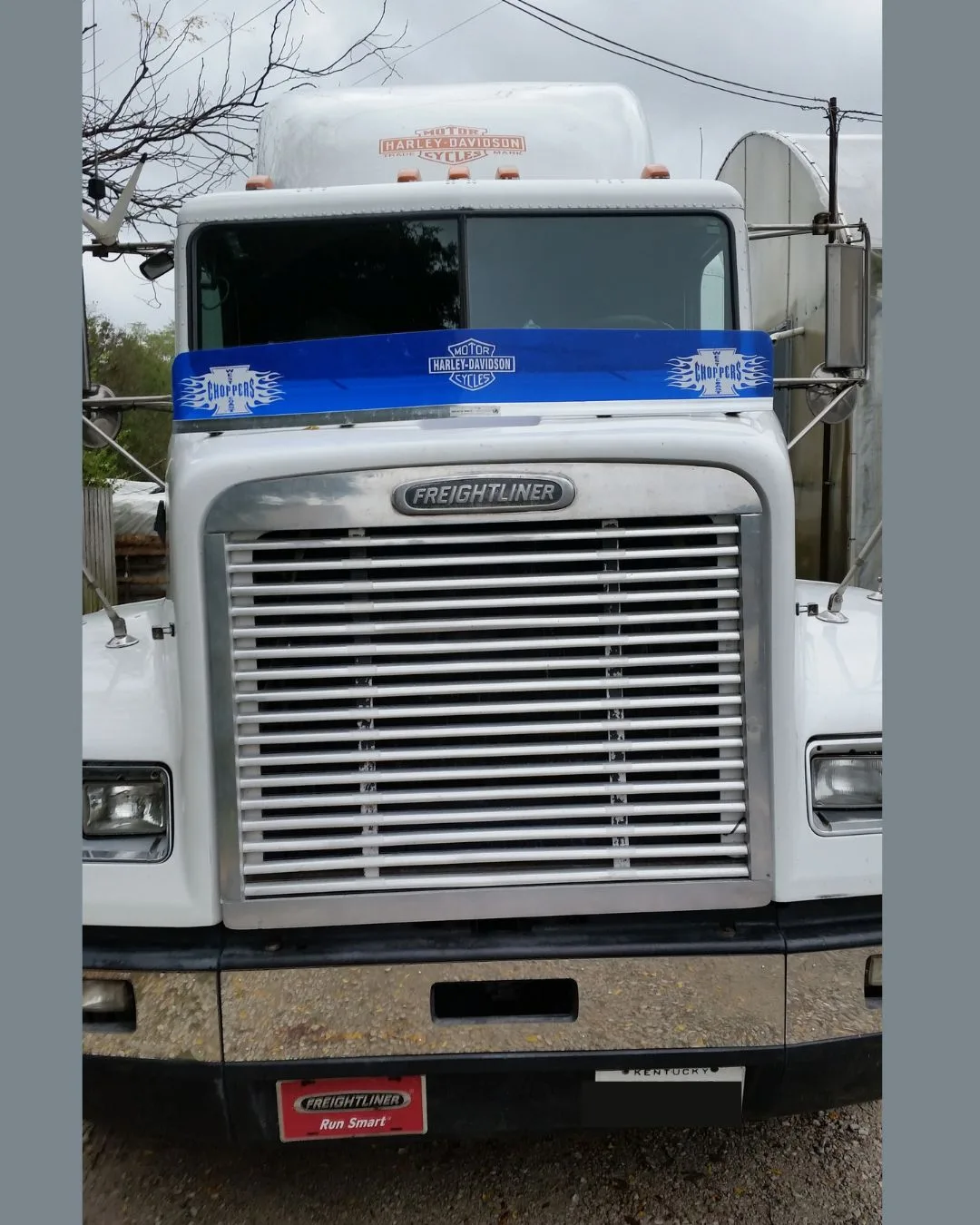
A semi truck used to move early hemp plants from Eastern Kentucky to Lexington in 2014.

Real logistics

Moving Plants Across Kentucky

This 53-foot semi truck carried some of the earliest hemp plants across Kentucky from Eastern fields to Lexington. It is a reminder that reintroducing hemp was not a polished process. It involved constant movement, adaptation, and the willingness to solve problems in real time.

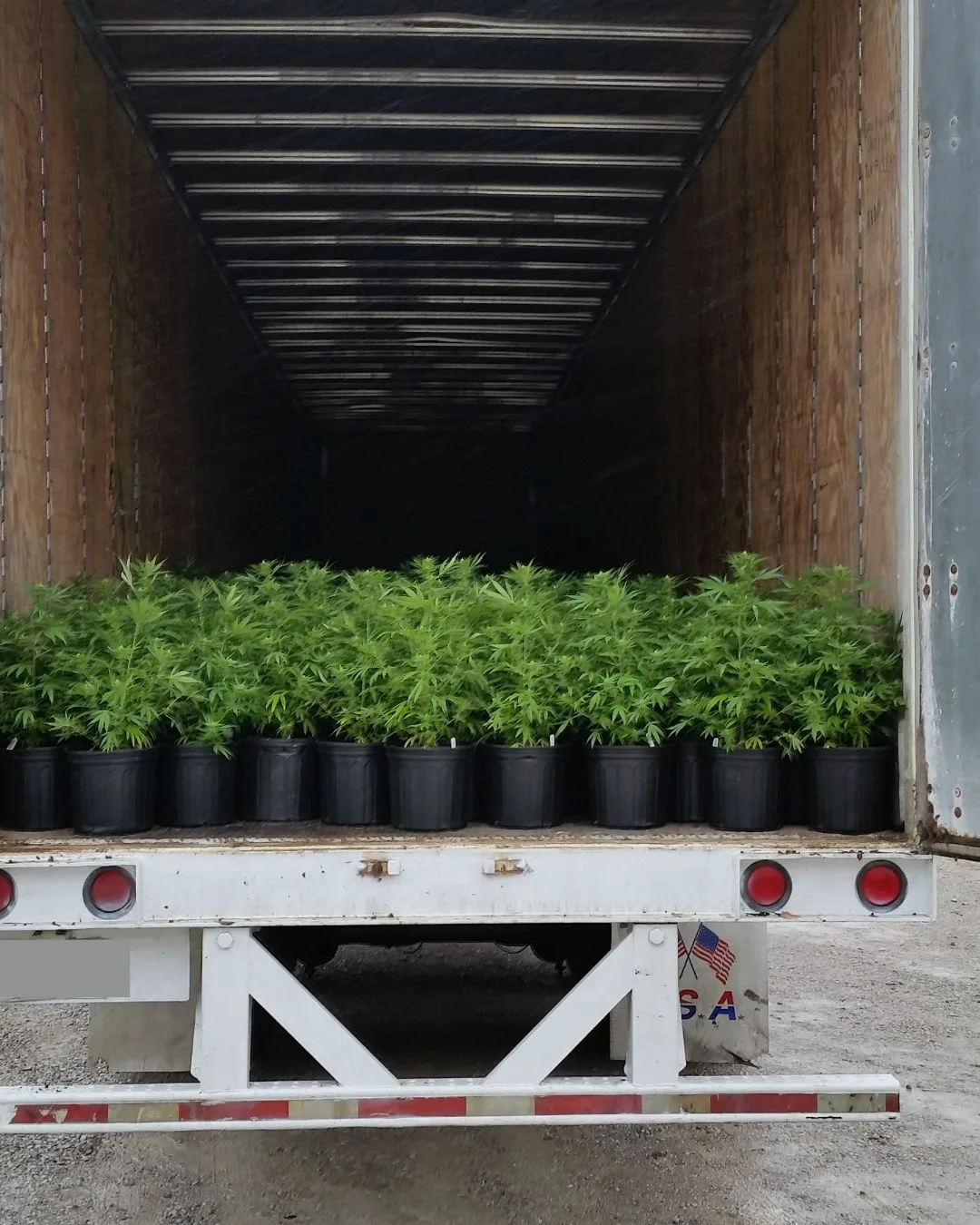
A semi trailer loaded with hemp plants during transport in Kentucky in 2014.

Scale in motion

A Full Trailer of Plants

This image captures the scale of the effort. Reintroducing hemp required greenhouse work, transport planning, site coordination, and labor. Every load moved the project and the broader industry forward.

Hemp plants arriving at Military Pike in Lexington, Kentucky, in 2014.

Lexington

Arrival at Military Pike

After the trip from Eastern Kentucky, the plants arrived at their new home on Military Pike in Lexington. By this point, hemp was no longer an abstract policy discussion. It was back in Kentucky in a visible, operational way.

Closing perspective

The Story of 2014 Is the Story of Reintroduction

The first year was about more than legislation. It was about agreements, greenhouse benches, clone trays, soil work, transport routes, and live plants back in Kentucky hands. These images document the practical beginning of Kentucky Cannabis Company and preserve the record of a team that was present at the start of the Commonwealth’s modern hemp era. Continue the story in our Kentucky Hemp Pilot Program 2014 Harvest Story.