Kentucky hemp genetics development
Developing Hemp Genetics from the Ground Up
Early breeding, cloning, and tissue culture work that helped shape high-CBD hemp in Kentucky
When Kentucky’s Hemp Pilot Program began, there was no established supply of high-CBD hemp seed. Kentucky Cannabis Company, led by Bill Polyniak, began sourcing, breeding, and preserving cannabis sativa genetics to develop plants suited for cannabinoid production and Kentucky growing conditions.
Through hands-on work in breeding, cloning, and tissue culture, early genetic foundations were established that supported consistent cultivation and long-term product development.
Starting Without Established Genetics
At the start of the modern hemp program, most available hemp varieties were developed for fiber or seed oil production, not for cannabinoid-rich flower. These traditional genetics lacked the cannabinoid and terpene profiles required for high-quality CBD extraction.
To move forward, new genetics had to be developed through sourcing, observation, and selective breeding. This required evaluating plant performance in real conditions and identifying traits that could support cannabinoid-focused cultivation.
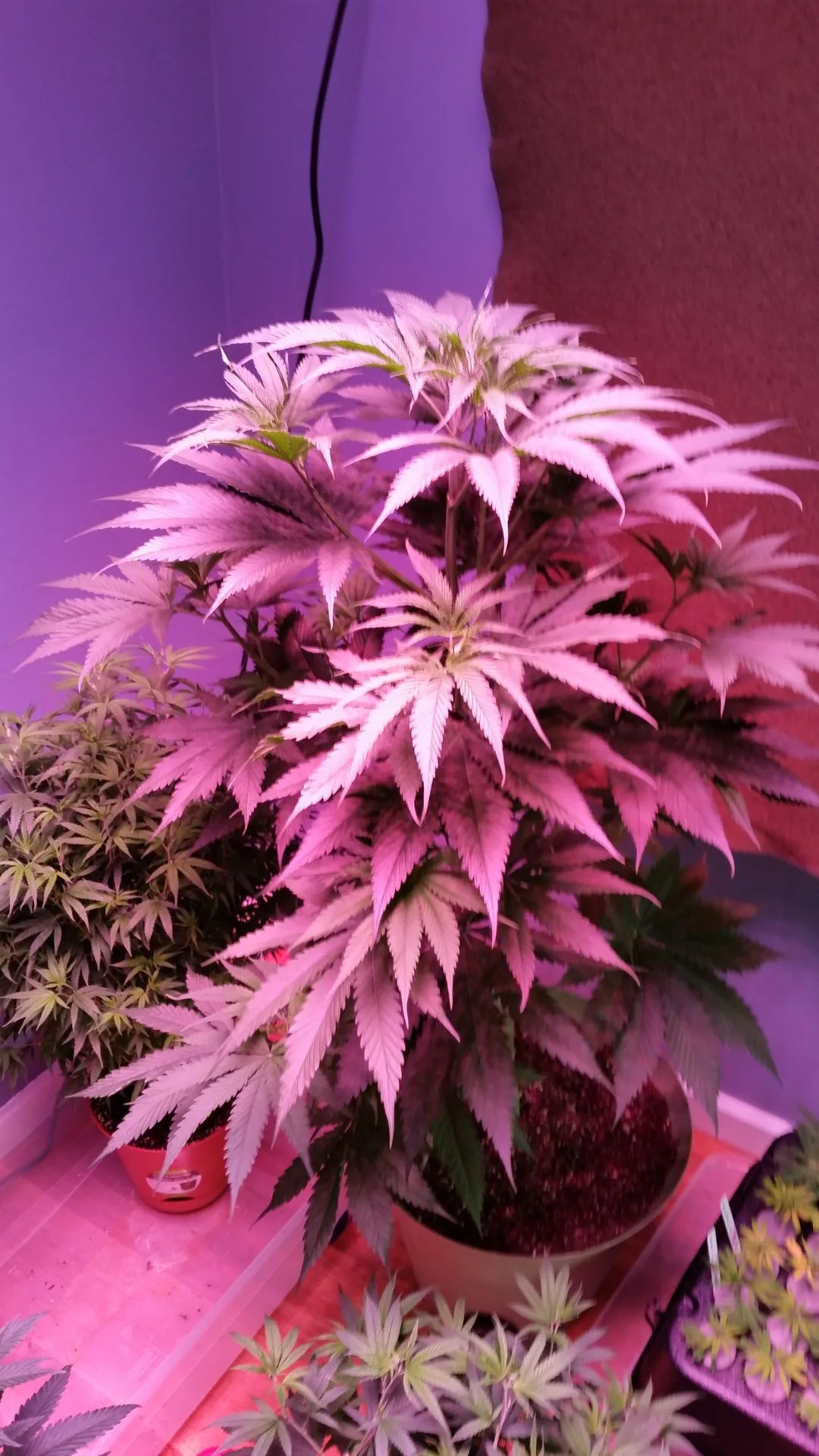
Exploring diverse genetics
Sourcing and Evaluating Diverse Hemp Varieties
This image shows a rare cannabis sativa hemp variety originating from Asia that was used in early breeding work at Kentucky Cannabis Company.
Exploring diverse plant genetics allowed for the identification of desirable traits such as plant structure, environmental adaptability, and cannabinoid potential. These early evaluations were essential in building cultivars suited for Kentucky’s climate and production goals.
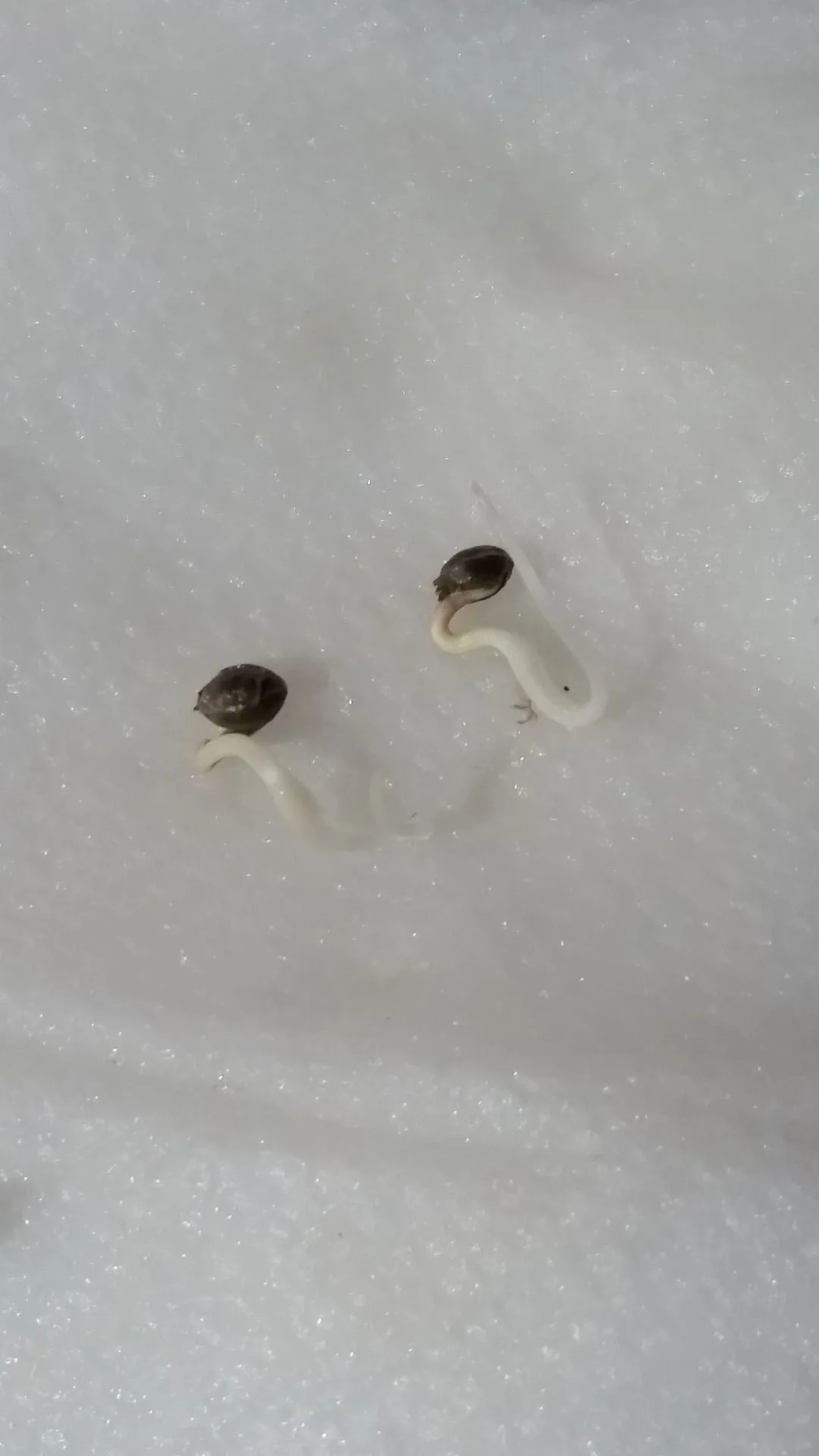
Controlled breeding
Controlled Cross-Pollination and Feminized Seed Development
This image shows cannabis sativa hemp seeds during germination, produced through a controlled breeding process using a silver thiosulfate (STS) solution.
By inducing a female plant to produce pollen, selected genetics could be crossed in a controlled way, allowing for targeted trait development. This approach helped improve consistency in cannabinoid expression, plant structure, and growth performance.
Controlled breeding methods played an important role in developing stable hemp cultivars suited for cannabinoid-focused production.
Early Plant Development
These early development stages helped guide selection and propagation decisions. The goal was to observe structure, vigor, and consistency under controlled conditions before plants moved into larger cultivation systems.
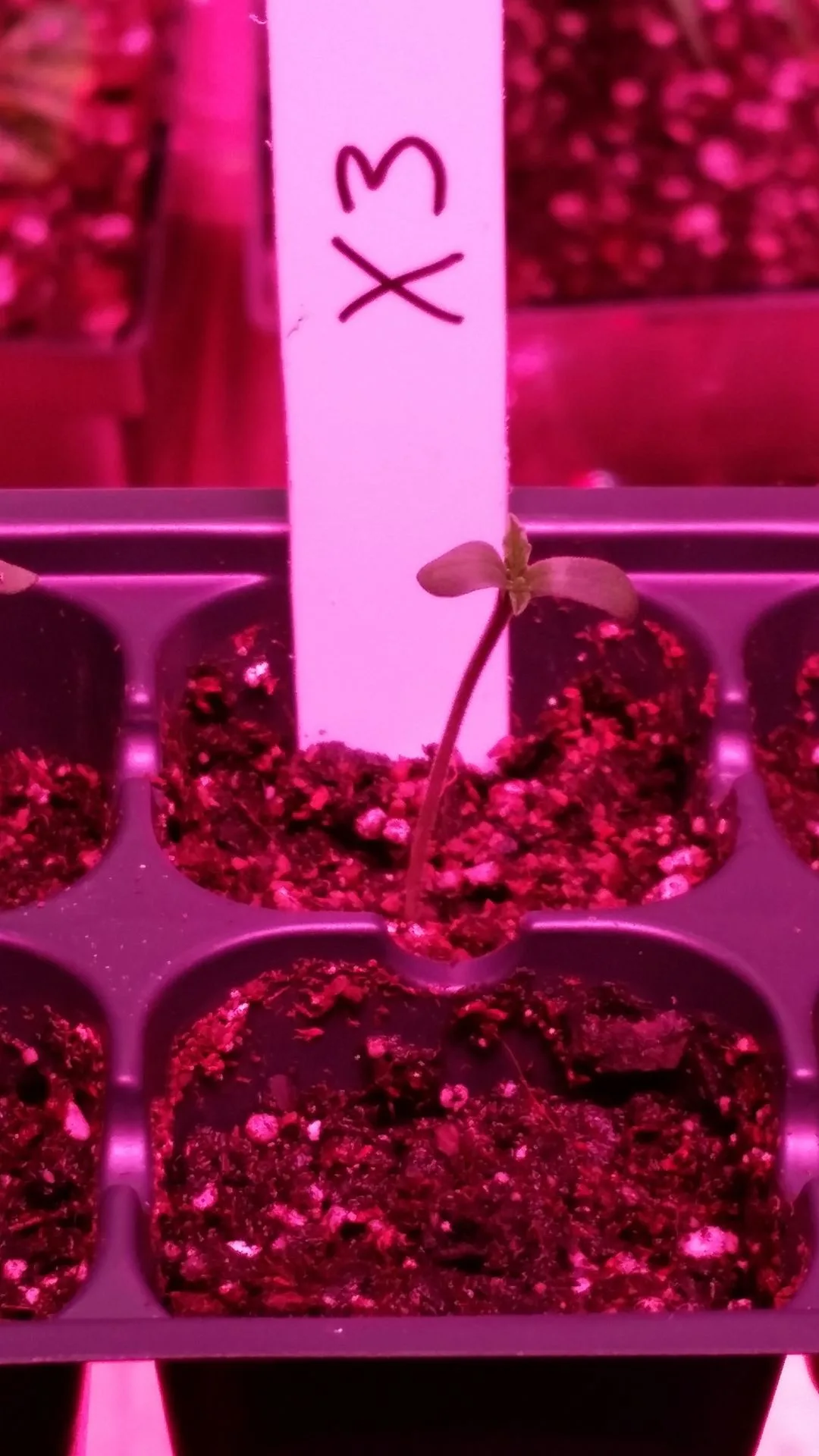
Seedling Development Under Controlled Conditions
This image shows a young hemp seedling grown from CBD-focused genetics under LED lighting. Controlled environments allow for consistent monitoring of plant health and early genetic expression.
This stage supports the selection of strong, viable plants before transitioning into larger cultivation systems.
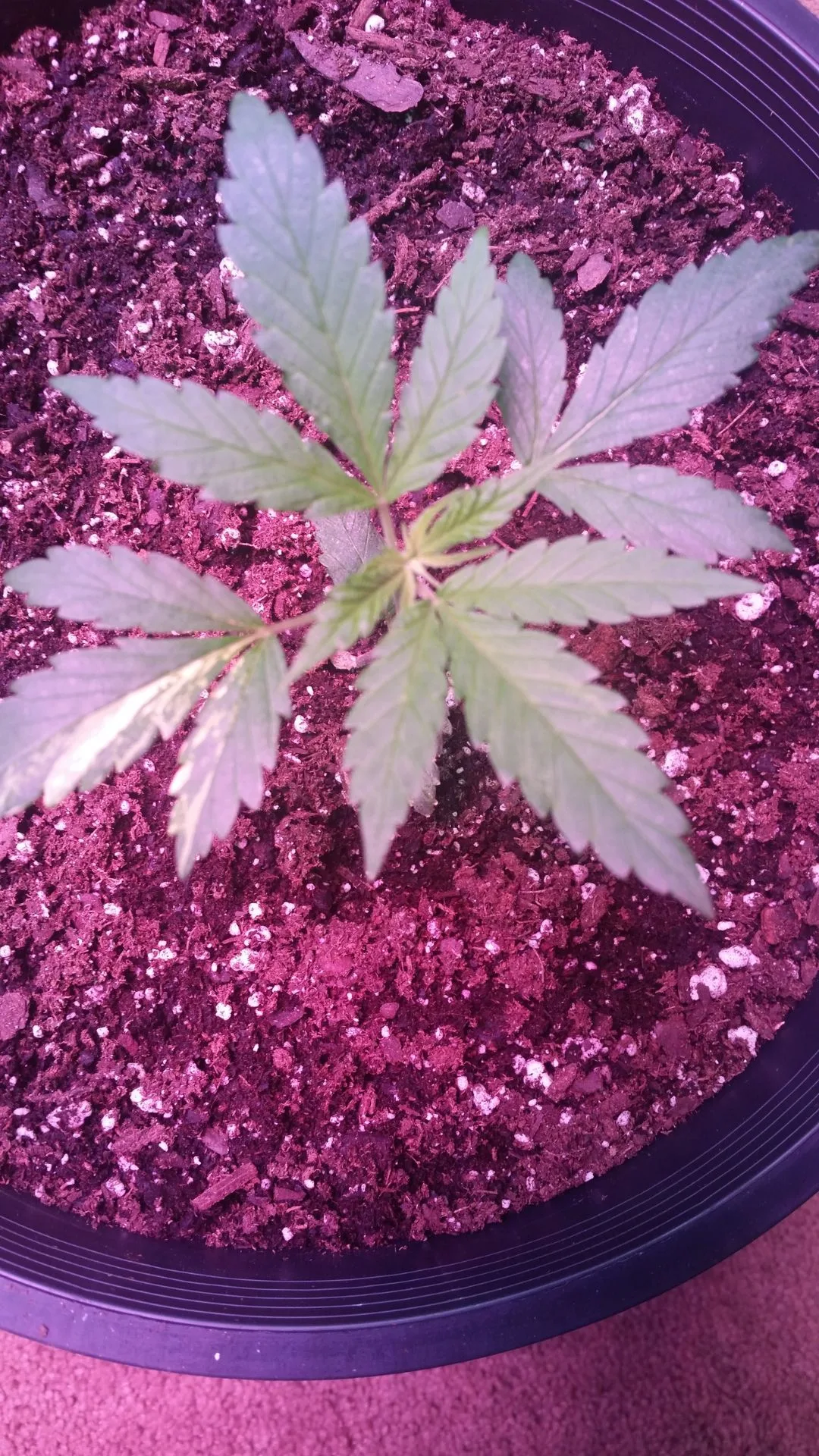
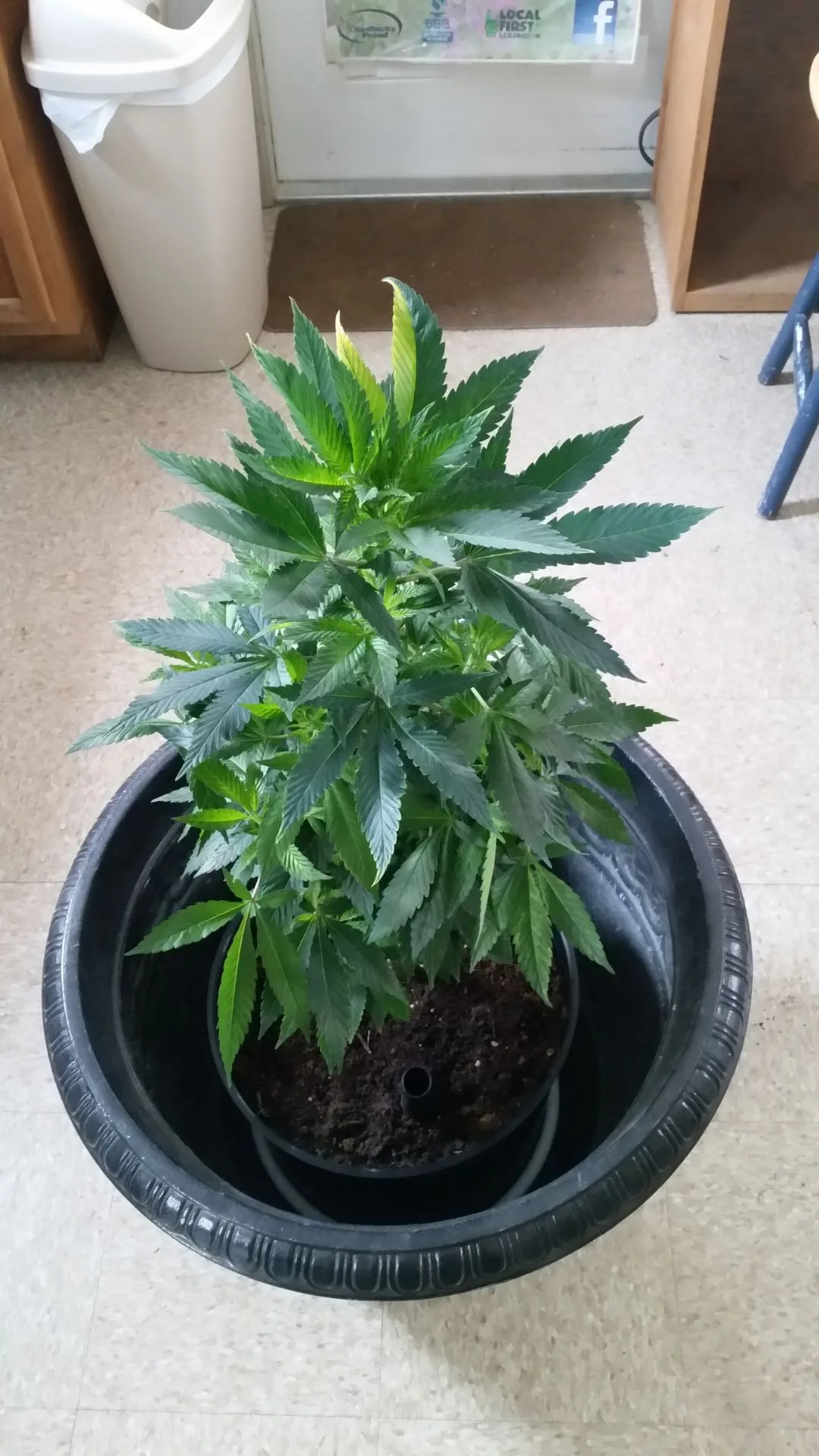
Establishing Plant Structure and Growth Stability
At the third node stage, hemp plants begin establishing structural integrity and improving photosynthetic capacity. Healthy development at this stage supports long-term plant performance and is critical when selecting plants for breeding and propagation.
Observing genetic expression
Identifying Traits Through Early Growth Observation
This image shows a hemp plant exhibiting variegation in its leaves, a natural variation in coloration that can occur in certain genetics.
Observing traits like this during early growth helps inform breeding decisions and supports the development of stable, predictable cultivars.
Developing KCC3 genetics
Developing Early High-CBD Cultivars
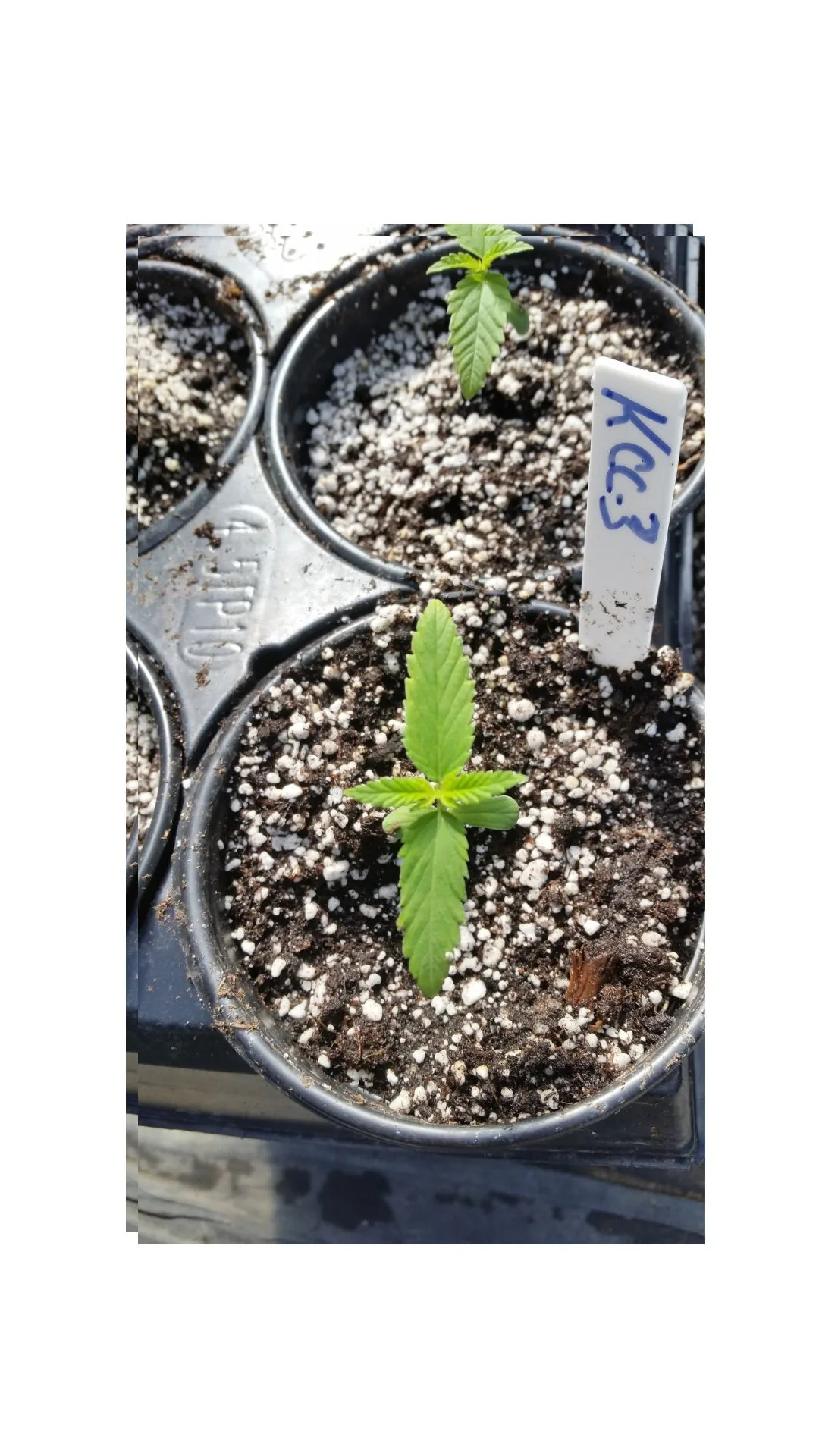
This image shows KCC3 hemp seedlings developed as part of early breeding work led by Bill Polyniak.
These plants represent efforts to develop hemp varieties with elevated cannabinoid and terpene potential, distinct from traditional fiber and seed hemp. Early breeding work helped expand understanding of cannabinoid levels and contributed to evolving cultivation standards in Kentucky.
Cloning and genetic preservation
Transporting and Preserving Valuable Genetics
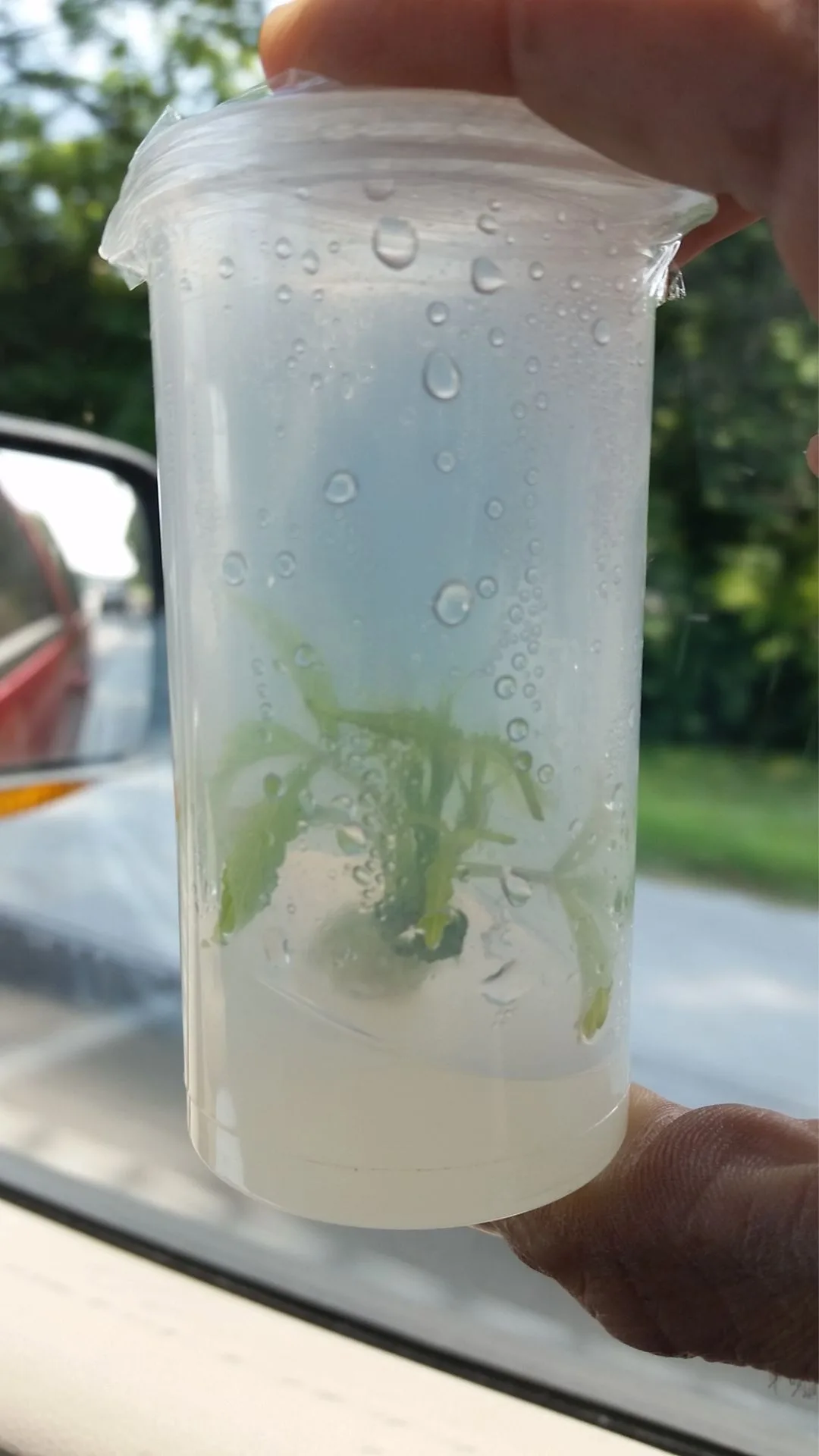
This image shows a hemp clone in a tissue culture container held by Bill Polyniak during early operations.
Each clone represented valuable genetic material. Maintaining plant integrity during transport and handling was essential to preserving consistency and supporting future cultivation.
Tissue culture propagation
Tissue Culture and Controlled Replication
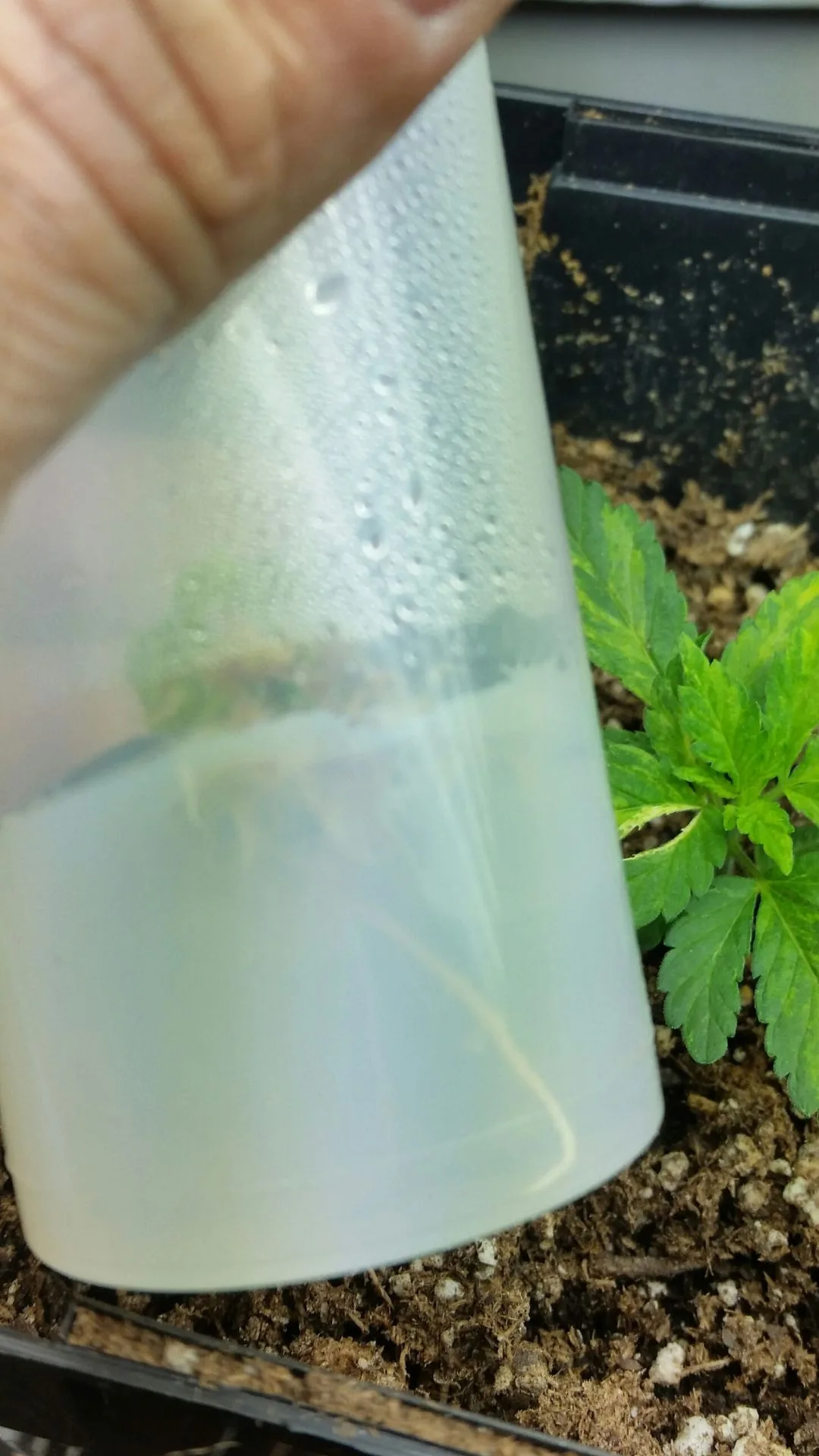
This image shows a hemp clone developing roots in a sterile tissue culture environment.
Tissue culture allows for precise replication of selected plant genetics, helping maintain consistency and reduce contamination risks. This method supports scalable cultivation by producing uniform planting material with predictable characteristics.
Connecting Genetics to Full-Spectrum Production
Stable genetics are a foundational step in producing consistent hemp-derived products. By developing and preserving plants with reliable cannabinoid and terpene profiles, cultivation practices can support downstream processing and extraction.