Kentucky extraction history
Hemp Extraction and Full-Spectrum CBD Production in Kentucky
From Plant to Extract: Early Hemp Extraction in Kentucky
Developing full-spectrum extraction methods during the early days of the hemp industry
As hemp cultivation returned to Kentucky, the next challenge was transforming harvested plant material into usable extracts. Kentucky Cannabis Company developed and refined extraction processes to preserve cannabinoids, terpenes, and other naturally occurring compounds found in cannabis sativa hemp.
These early efforts helped establish a foundation for full-spectrum CBD production and supported the development of consistent, high-quality hemp-derived products.
Why Extraction Matters
Hemp extraction is the process of separating desirable plant compounds, such as cannabinoids and terpenes, from raw plant material.
The quality of extraction plays a critical role in determining the consistency and composition of the final product. Careful process control, proper equipment, and attention to detail are essential to preserving the characteristics of the plant while producing a stable extract suitable for further formulation.
Early hydrocarbon extraction
Early Hydrocarbon Extraction Systems
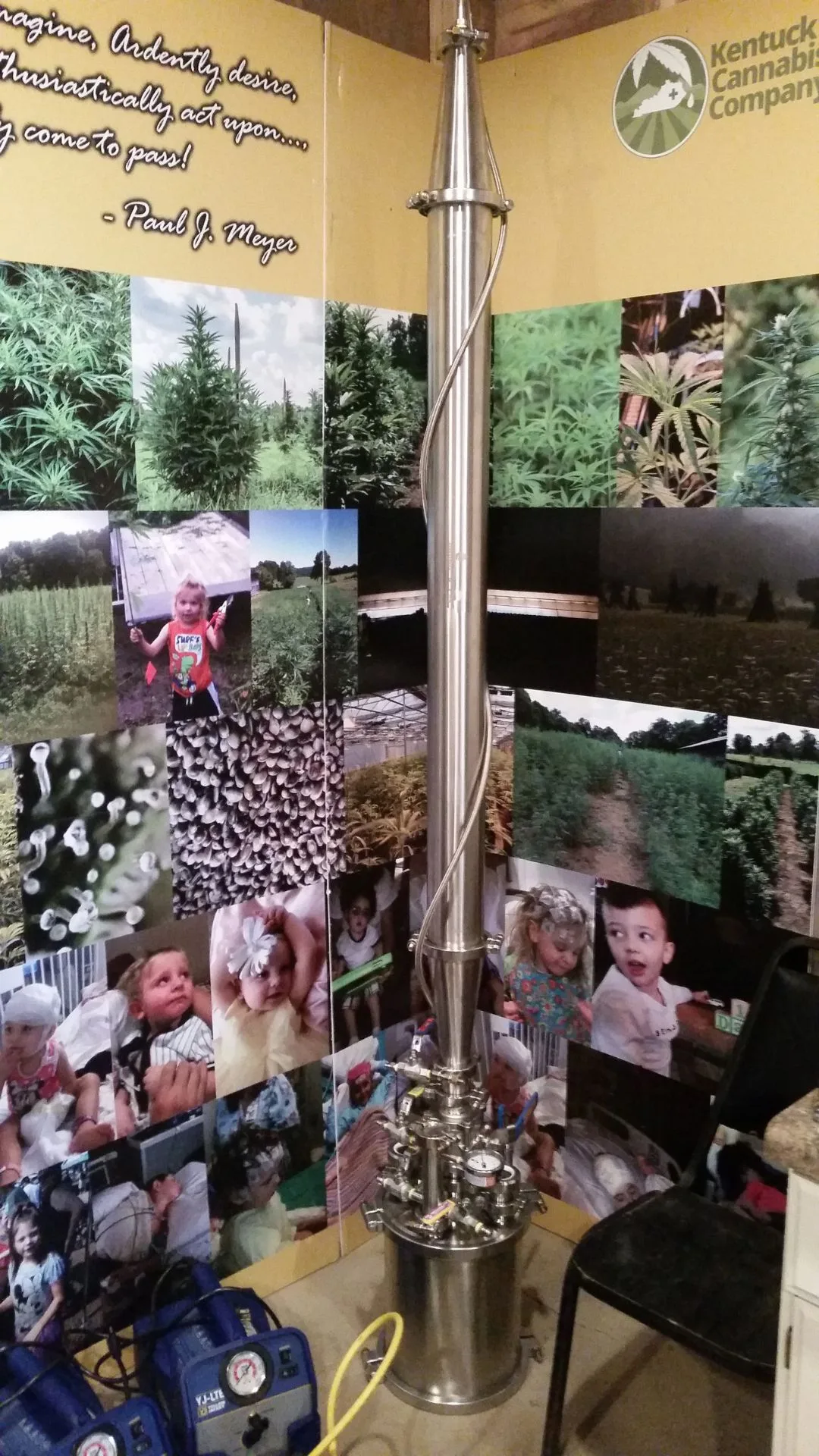
This image shows one of the first hydrocarbon extraction systems used by Kentucky Cannabis Company. The system utilized a food-grade hydrocarbon solvent to process cannabis sativa hemp and produce a concentrated extract.
Hydrocarbon extraction is designed to preserve a broad range of naturally occurring plant compounds, including cannabinoids and terpenes. The resulting material is often referred to as an oleoresin, which contains both oil-soluble and aromatic components of the plant.
Early investment in extraction equipment and process development allowed Kentucky Cannabis Company to maintain control over production and refine methods for producing consistent hemp extracts.
First extraction output
Early Hemp Extraction Results
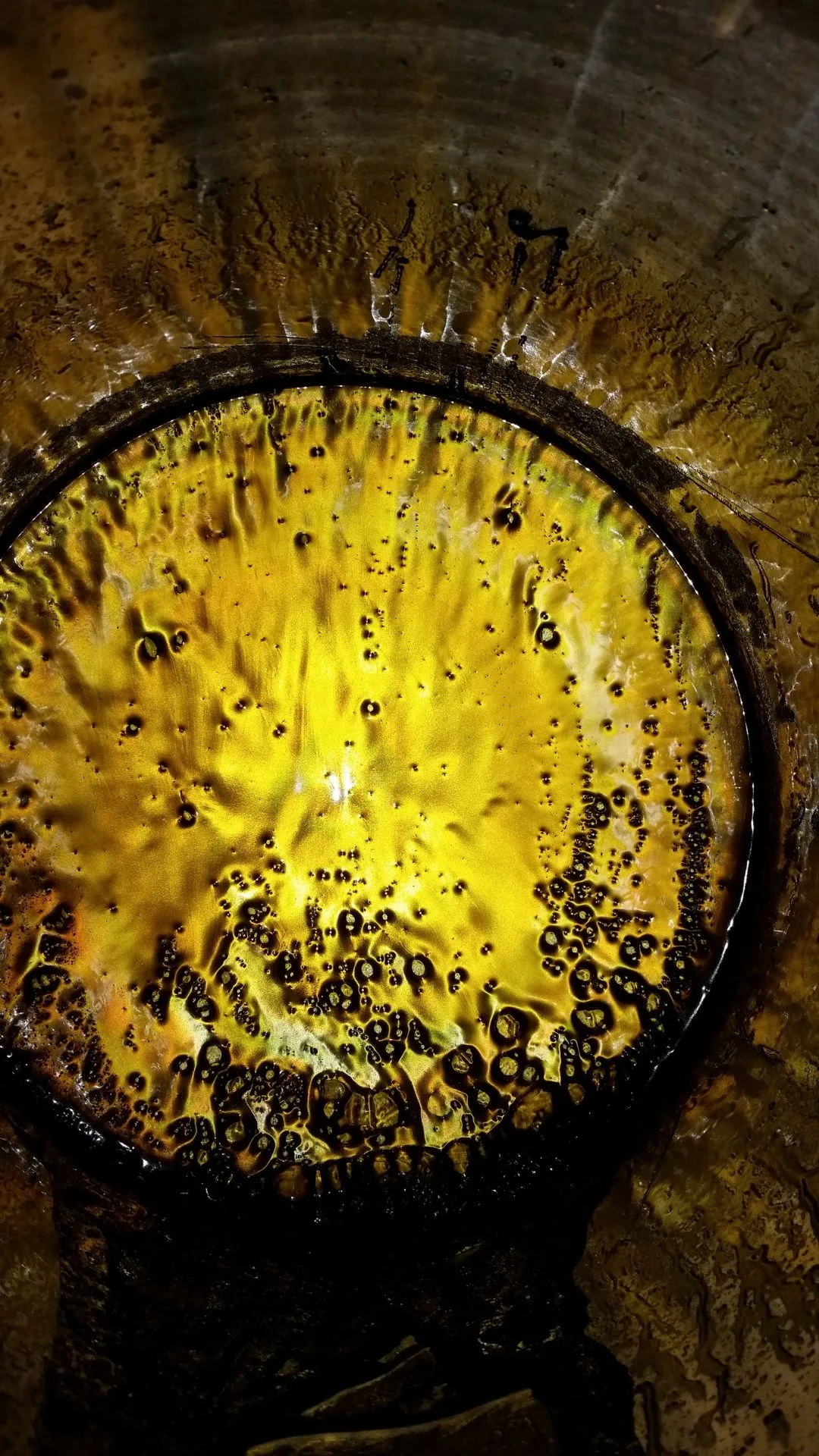
This image captures one of the earliest hemp extraction processes in Kentucky, showing golden cannabis sativa resin collecting inside a stainless steel vessel.
The color and consistency of the extract reflect the presence of cannabinoids, terpenes, and other plant-derived compounds preserved during processing. This moment represents an early milestone in demonstrating the potential of Kentucky-grown hemp for extract-based production.
These early runs helped establish practical knowledge around process conditions, yield, and extract characteristics.
Oleoresin development
Understanding Hemp Oleoresin
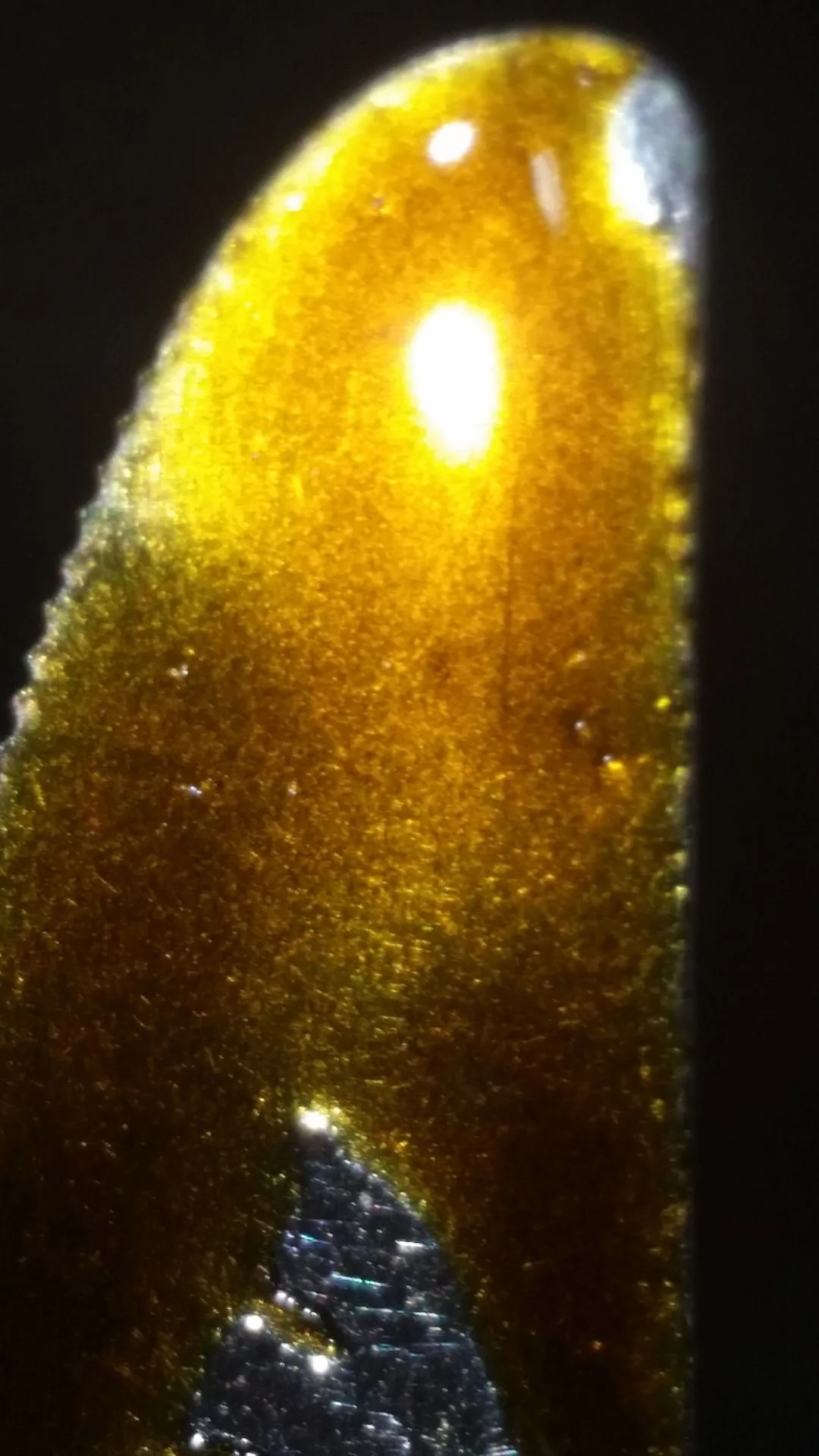
This image shows a sample of cannabis sativa hemp oleoresin, a concentrated extract containing cannabinoids, terpenes, and other plant compounds.
Oleoresin is produced through extraction processes designed to retain a broad spectrum of plant constituents. This type of extract serves as a foundational ingredient for developing full-spectrum hemp products.
Understanding the composition and behavior of oleoresin was an important step in refining extraction methods and improving consistency across batches.
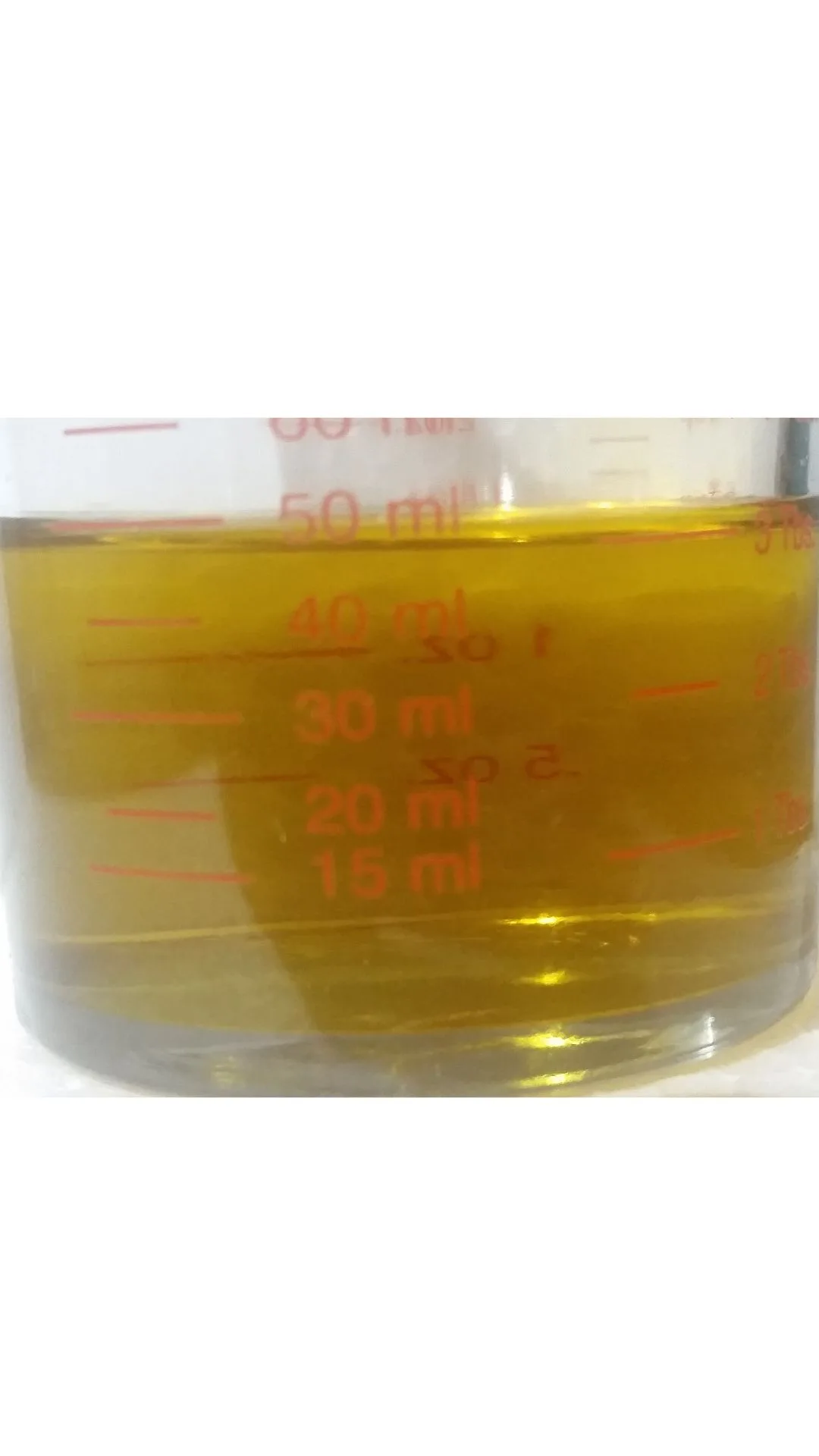
First full-spectrum CBD oil
Producing the First Full-Spectrum CBD Oil in Kentucky
This image represents a key milestone, the production of the first 50ml of full-spectrum CBD oil grown, extracted, and manufactured in Kentucky.
This achievement demonstrated that hemp cultivated within the state could be processed into a finished extract using in-state capabilities. It also marked an important step toward establishing a fully integrated approach to cultivation and extraction.
Developing this capability required adapting quickly and building processes in real time during the early stages of the hemp industry.
Hot Oil Infusion Methods
These early systems show another path Kentucky Cannabis Company used to explore CBD-rich oil production. The goal was to transfer plant compounds into carrier oils under controlled conditions while refining consistency, temperature control, and repeatability.
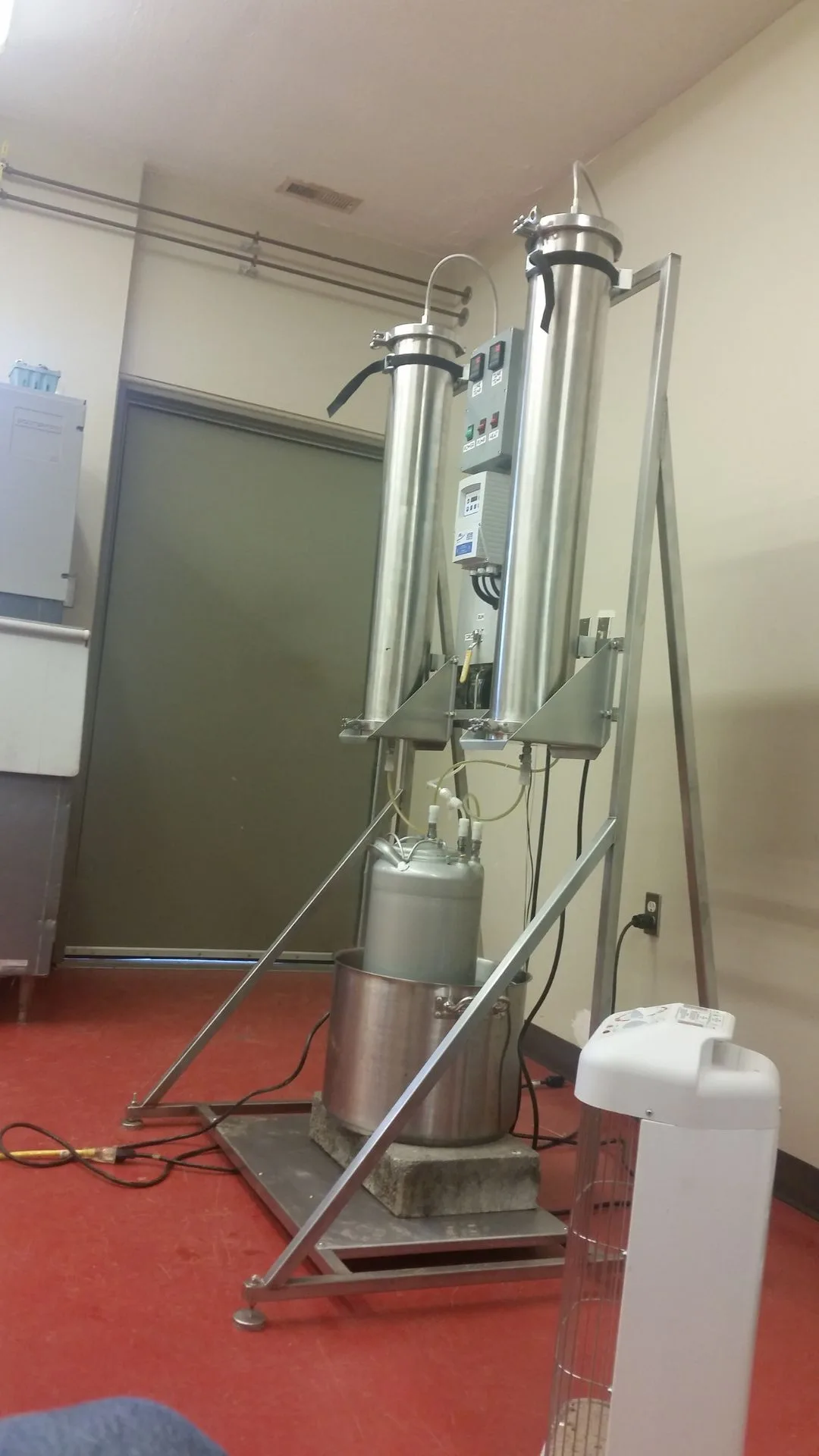
Hot Oil Infusion Extraction
This image shows a hot oil infusion system used in early CBD oil production. This method involves infusing hemp plant material into a carrier oil under controlled heat conditions.
Hot oil infusion provides a direct way to transfer plant compounds into an oil-based product and was one of the early methods used to produce CBD-rich formulations.
This process also reflects collaborative efforts within the early hemp industry, where cultivation and processing capabilities were developed alongside emerging product demand.
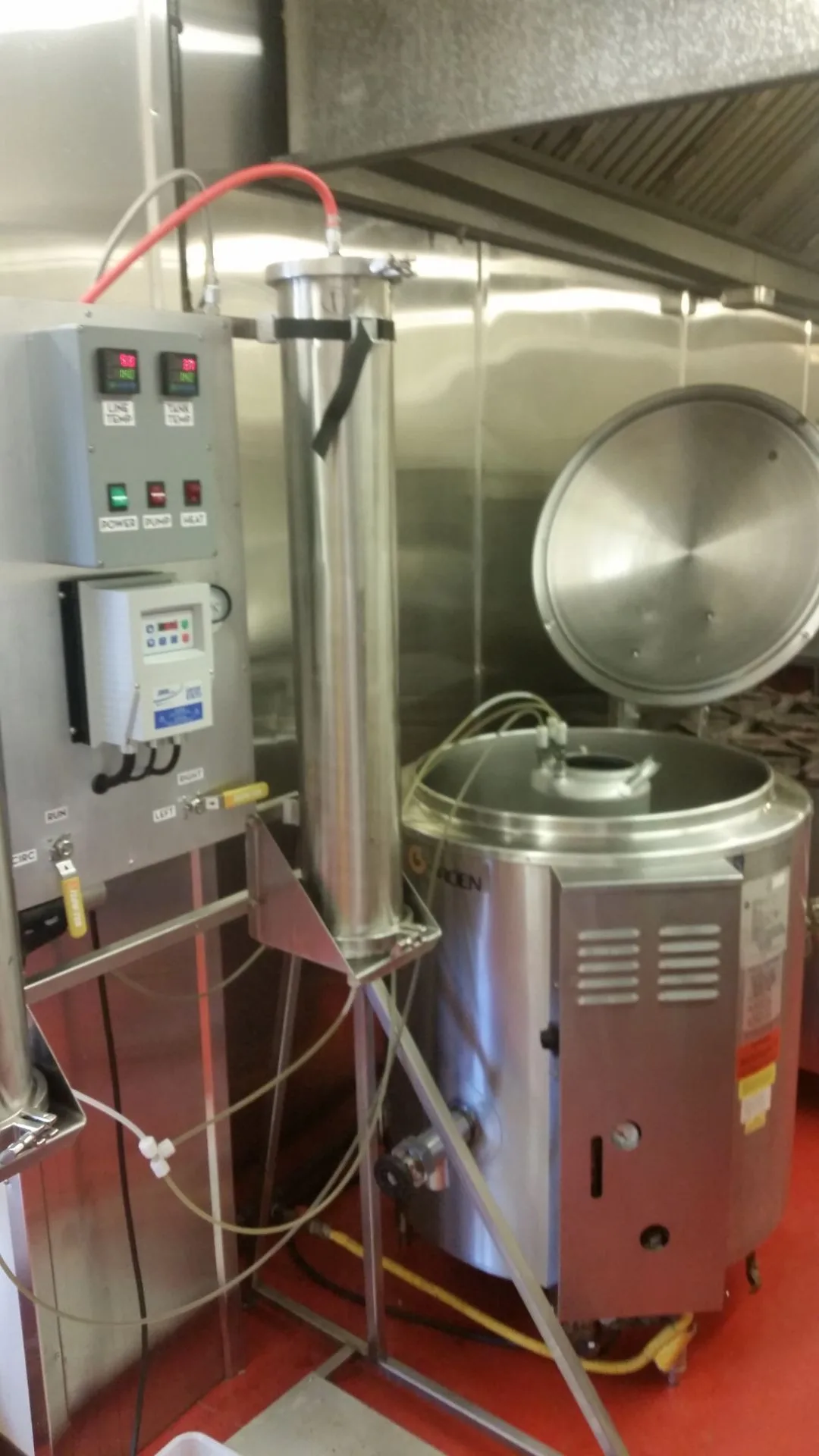
Controlled Infusion and Process Development
This image shows a hot oil infusion system operating within a double boiler configuration to maintain controlled temperatures.
Hemp plant material is placed within stainless steel vessels while heated oil circulates to extract cannabinoids and other compounds. Temperature control is important in preserving plant constituents and ensuring consistency during processing.
These early systems helped refine techniques for producing hemp-infused oils under controlled conditions.
Further reading
Keep Following the Full-Spectrum Story
This extraction chapter works best as part of a broader sequence. Use the related sections below to move back into genetics, forward into later standardization, or outward into the technical and historical context behind full-spectrum CBD production in Kentucky.
Genetics context
See how full-spectrum extraction begins in the plant
This companion page connects extraction choices back to cultivar selection, plant structure, and the high-CBD genetics that shaped later processing decisions.
Process evolution
Move into the 2016 standardization chapter
The 2016 archive page shows how cultivation consistency and repeatable plant material supported more disciplined downstream processing.
Archive progression
See how the work matured in 2017
Follow the archive forward into 2017 to see how the production system expanded and how the breeding and processing story continued.
Technical explainer
Compare the extraction techniques in more detail
This supporting article explains the major extraction approaches and helps connect the archive story to how finished CBD oil is produced today.
History hub
Place extraction inside the larger Kentucky hemp timeline
Use the full archive timeline to understand where processing, extraction, and full-spectrum development fit inside Kentucky’s broader hemp rebuilding story.
Industry perspective
Connect early extraction work to the current thesis
The 2026 report explains why cultivation, chemotype, extraction, and transparency still belong in the same conversation today.
Further reading
Keep Following the Full-Spectrum Story
This extraction chapter works best as part of a broader sequence. Use the related sections below to move back into genetics, forward into later standardization, or outward into the technical and historical context behind full-spectrum CBD production in Kentucky.
Genetics context
See how full-spectrum extraction begins in the plant
This companion page connects extraction choices back to cultivar selection, plant structure, and the high-CBD genetics that shaped later processing decisions.
Process evolution
Move into the 2016 standardization chapter
The 2016 archive page shows how cultivation consistency and repeatable plant material supported more disciplined downstream processing.
Archive progression
See how the work matured in 2017
Follow the archive forward into 2017 to see how the production system expanded and how the breeding and processing story continued.
Technical explainer
Compare the extraction techniques in more detail
This supporting article explains the major extraction approaches and helps connect the archive story to how finished CBD oil is produced today.
History hub
Place extraction inside the larger Kentucky hemp timeline
Use the full archive timeline to understand where processing, extraction, and full-spectrum development fit inside Kentucky’s broader hemp rebuilding story.
Industry perspective
Connect early extraction work to the current thesis
The 2026 report explains why cultivation, chemotype, extraction, and transparency still belong in the same conversation today.